California Gov. Newsom signs executive order to prepare workforce for AI disruption
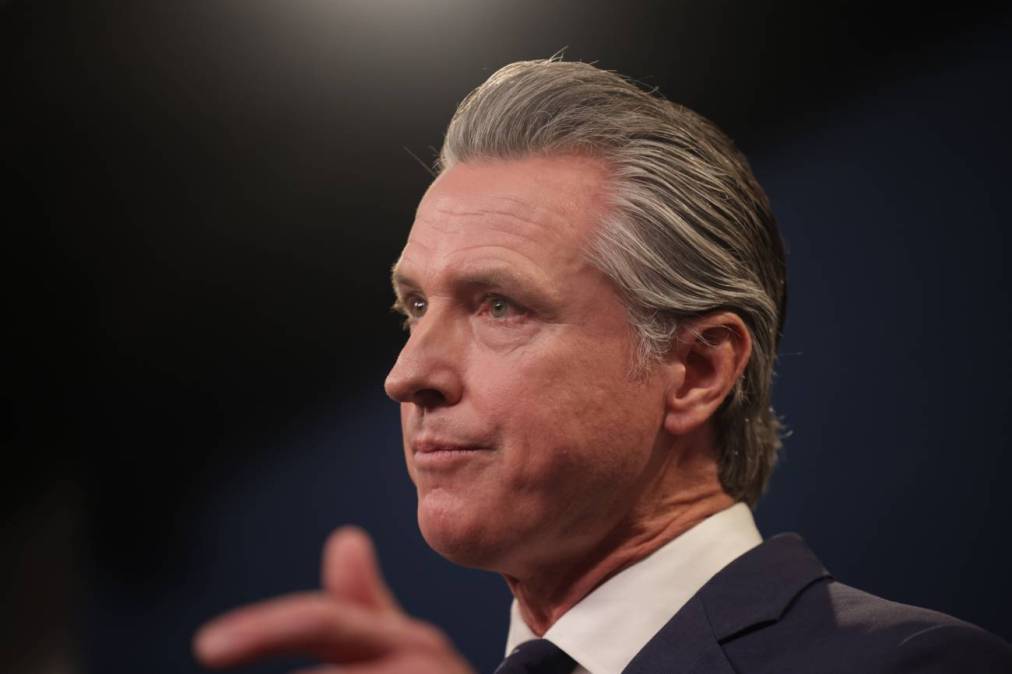
California Gov. Gavin Newsom signed an executive order on Thursday directing state agencies to prepare workers, small businesses and communities across the state for the potential economic disruption widespread adoption of artificial intelligence could bring — the latest step in the state’s aggressive AI governance strategy.
The order requires state agencies to study potential labor market shifts tied to AI adoption, including layoffs, hiring changes and skills gaps. It calls for recommendations, within 180 days, on potential updates to California’s WARN Act, a law requiring employers to provide advance notice of mass layoffs, to help strengthen early warning systems for workers impacted by automation.
“California has never sat back and watched as the future happened to us – and we won’t start now. We have taken the lead on advancing innovation, safety, and transparency,” Newsom said in a press release. “But we must think bigger. This moment demands that we reimagine the entire system — how we work, how we govern, how we prepare people for the future — and that work is starting right here in the Golden State.”
The move builds on California’s growing use of generative AI tools across government, including AI chatbots for state employees. It also reflects the state’s broader AI policy agenda, which in recent months has balanced innovation with oversight, through formal evaluations and resident feedback.
The state this month rolled out Engaged California, a public participation platform designed to gather resident feedback on how artificial intelligence is affecting workers, government services and the broader economy across the state. Californians can weigh in directly on issues ranging from workplace automation to the responsible use of generative AI in government to help inform state policymakers.
In March, Newsom issued an executive order establishing new procurement and certification standards for AI vendors seeking state contracts, including requirements related to transparency, civil rights protections and watermarking of AI-generated content.
Thirty-two of the world’s top 50 generative AI companies are in California, and a quarter of the emerging technology’s patents and conference papers come from California, according to a Forbes report.