Minnesota invests $90M in human services IT modernization amid looming SNAP, Medicaid changes
Minnesota is launching a sweeping effort to modernize the systems that support Medicaid, SNAP and other public assistance programs after lawmakers approved a $90 million package to support replacing the state’s aging IT infrastructure and improving coordination between state and local agencies.
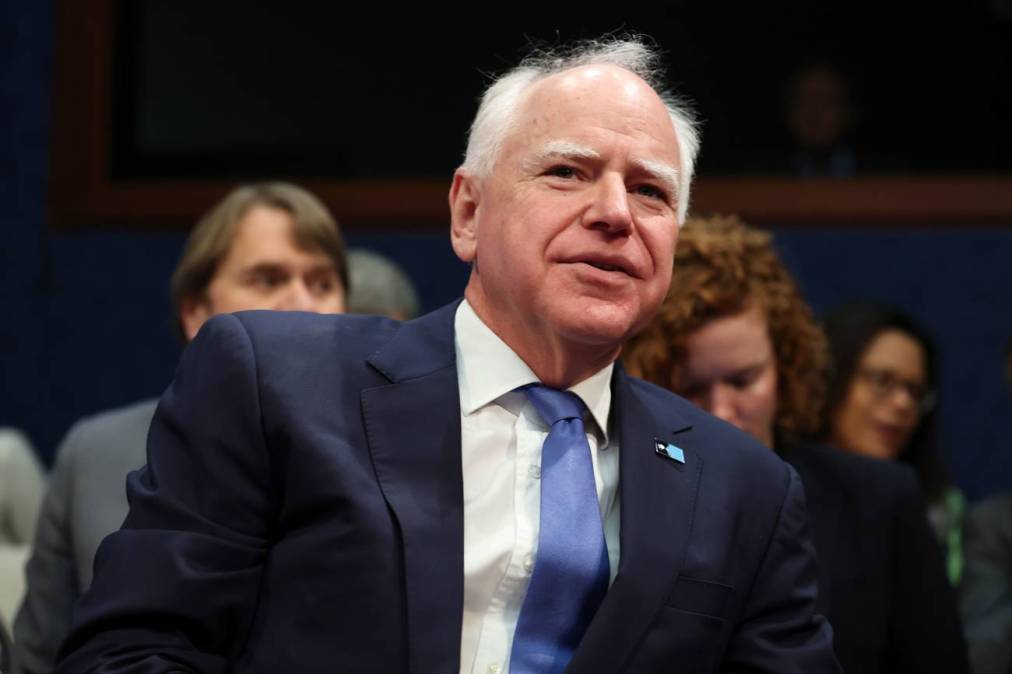
Gov. Tim Walz recently signed Senate File 334, a bipartisan measure that creates new governance structures, provides funding for the technology upgrades and establishes grants for counties to develop their own modernization projects. The new law establishes a Human Services Systems Modernization Advisory Council designed to bring together state agencies, county representatives and other stakeholders to coordinate future IT projects.
State Sen. Melissa Wiklund, lead author of the bill, said the multimillion-dollar investment comes at a critical time as states across the U.S. race to implement new federal requirements affecting public assistance programs.
“The counties had really been sounding the alarm that we were reaching a crisis point,” Wiklund, chair of the state’s Senate Health and Human Services Committee, said in an interview.
The legislation stemmed from discussions last fall among lawmakers, county officials and IT leaders, who demonstrated how outdated the state’s human services platforms have become, resulting in technology decisions that were often made in silos. A recent report from the Association of Minnesota Counties found 25 separate client portals across agencies and county departments either in use or under development.
“These disconnected, program-specific platforms—with inconsistent design and functionality—confuse residents and drive higher support costs for staff,” the report reads. “In essence, it’s a parking lot of neglected vehicles—hard to start, riddled with flat tires, cracked windshields, and faded paint. Each system functions independently and requires individual maintenance and workarounds.”
Wiklund said these silos limit collaboration between the agencies that design programs and local governments responsible for delivering services.
“There just wasn’t as much communication and discussion as was really desired by the county leaders,” Wiklund said. “At first, we called it a steering committee, and by the end of the session, it had changed to an advisory council.”
Many state-administered programs in Minnesota, like SNAP, Medicaid and child welfare, are delivered by county workers, who often must navigate multiple legacy systems to process applications and manage benefits.
Some county employees spend more than a year learning how to effectively use the existing technology platforms, according to Wiklund, who worried that a long training window may dissuade potential workers from applying to the already understaffed offices.
“Right now it takes county workers like over a year to learn how to do their job,” she said. “You can imagine that if it takes you that long to become proficient, that is really a barrier to people being interested.”
Another priority under SF 334 is integrating those front-end and back-end systems so information can move automatically through the eligibility process. The legislation sets aside $10 million in grants for counties pursuing local technology projects. Potential initiatives include customer-service chatbots, workflow automation tools and other technologies intended to improve both resident and employee experiences.
Minnesota has already launched a mobile-friendly benefits application platform that allows residents to apply for Medicaid, SNAP and other assistance programs online. But much of the information submitted through the portal still requires manual handling once it reaches back-end systems.
Wiklund said IT experts are also working to automate processes that currently require manual data entry, a longstanding challenge that contributes to administrative burdens and processing delays
“The problem was that it was only doing part of the solution; it didn’t get the applicant’s information completely integrated into the back-end systems,” she explained. “So one of the high priorities is to automate that work that isn’t automated right now.”
Minnesota’s modernization effort mirrors those in other states grappling with how to adapt to changes stemming from the federal budget reconciliation bill known as HR 1, or the One Big Beautiful Bill Act. Several provisions affecting SNAP eligibility and work requirements will require states to update benefits administration systems and reduce payment error rates.
Wiklund acknowledged that fully modernizing the state’s systems before federal deadlines is unlikely, but noted that many of the planned upgrades will help county workers manage the additional workload and compliance requirements.
“This was a big step forward,” Wiklund said. “We knew it was critical that we address these issues now because of so many impending changes.”