Justice Department partners with six states to combat public benefits fraud
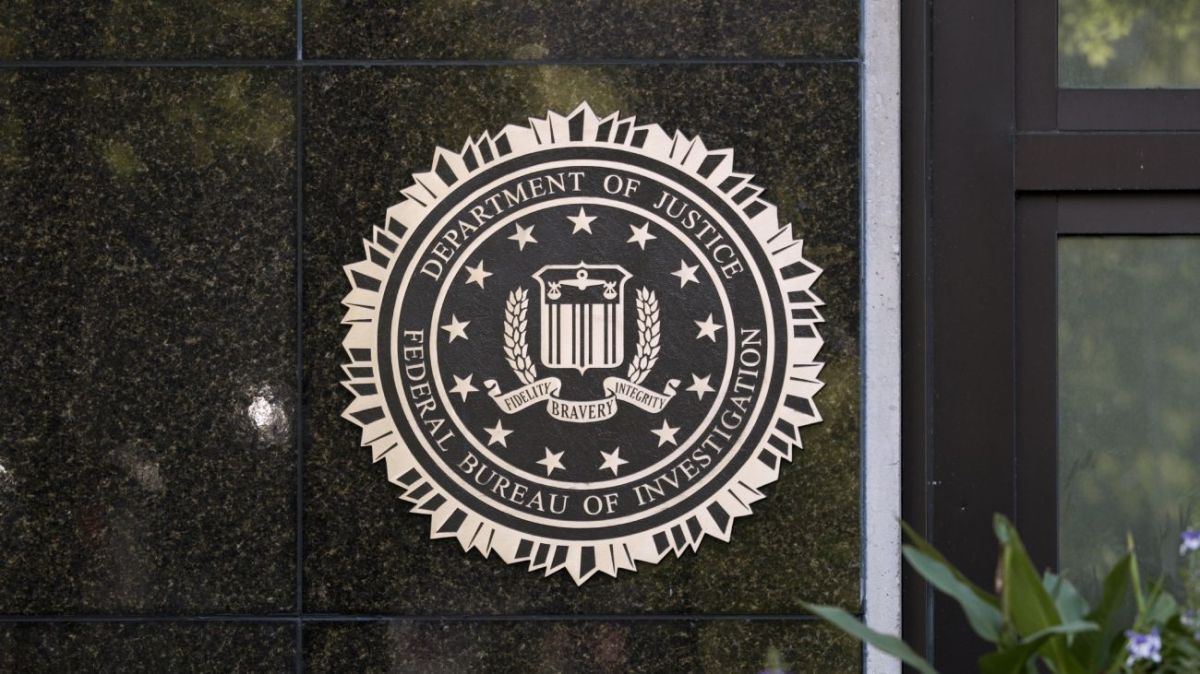
The Department of Justice on Friday announced it’s expanding its strategy for combating fraud in Medicaid, SNAP and other taxpayer-funded programs by deepening partnerships with state governments aimed at improving data sharing, investigations and fraud detection.
At a press conference in South Carolina on Friday, federal officials highlighted a series of coordinated fraud enforcement actions built around new federal-state partnerships with six states — Alabama, Florida, Georgia, Louisiana, Mississippi, North Carolina and South Carolina — designed to improve information sharing, identify fraud earlier and coordinate prosecutions across state and federal jurisdictions.
According to the department, the partnerships involve state attorneys general, U.S. attorney offices, state law enforcement agencies and other investigators investigating fraud involving federally funded programs, including Medicaid, the Supplemental Nutrition Assistance Program, housing assistance, Small Business Administration loans and taxes.
As federal oversight of Medicaid and SNAP continues to increase under H.R.1, the major budget reconciliation law, state technology becomes an increasingly important component of program integrity, with agencies expected to deliver timely, auditable data that supports both fraud prevention and eligible residents’ access to benefits.
Colin McDonald, assistant attorney general at the department’s National Fraud Enforcement Division, said the coordinated enforcement actions included 17 cases across the seven states, involving more than $350 million in intended losses.
“Fraudsters thrive on government agencies not partnering, not sharing data, not sharing intelligence,” McDonald told reporters Thursday. “The fraud-fighting team assembled here today is resolved to work together to break those cycles and bring the fraudsters out into the light. When federal prosecutors work with state agencies to share leads, data, and strategy, the American people win.”
The initiative signals an increased federal emphasis on using data, not just criminal investigations, to protect public benefits. States manage Medicaid and SNAP eligibility systems, making their data systems central to detecting suspicious claims, duplicate enrollments and organized fraud schemes.
Alan Wilson, attorney general of South Carolina, one of the states in the new federal partnership, said criminals practice information-sharing in order to commit fraud, so state agencies need to do the same in order to stop them.
“The bad guys, those out there committing these conspiracies — they are not just depriving needy families from getting essential government services like food or even healthcare from getting them,” Wilson said told reporters at the press conference. “Their fraud is an invisible tax in the in the in the terms of billions of dollars nationally on taxpayers around the country. When we don’t work together, they are able to get away with it.”
In April, the Department of Justice launched a West Coast Health Care Fraud Strike Force, spanning Arizona, Nevada and Northern California, and expanded data-driven healthcare fraud investigations involving state Medicaid agencies. In June, the department announced a partnership with Ohio that includes data-sharing agreements to support fraud investigations.