Pennsylvania selects RTA to modernize fleet management software
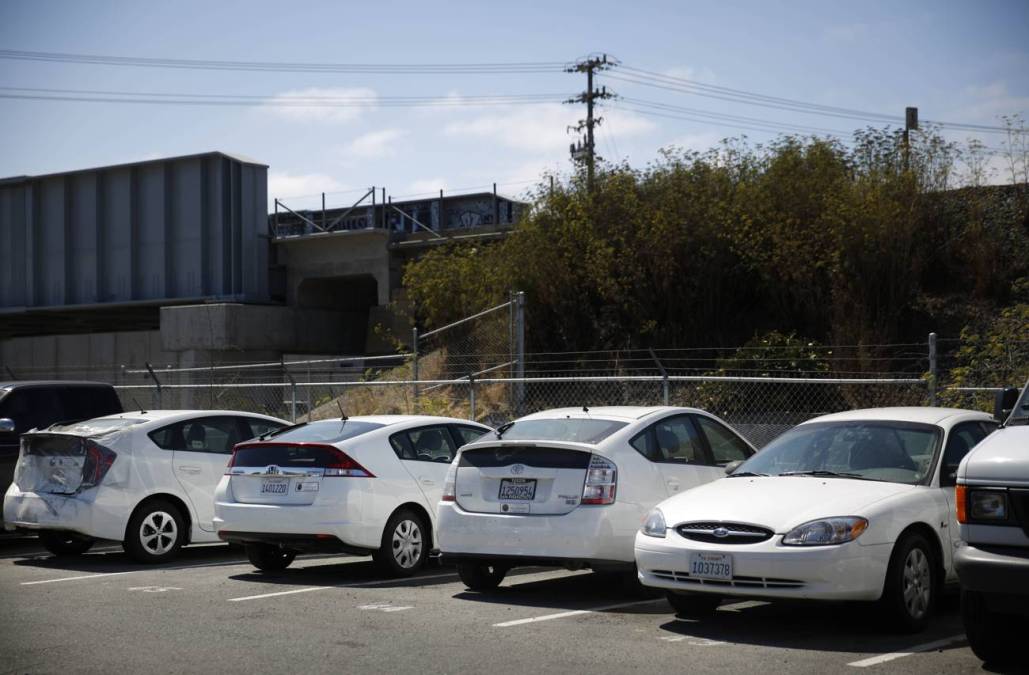
To get a better handle on its thousands of fleet vehicles, Pennsylvania’s Department of General Services on Friday announced it will begin using software from an Arizona firm called RTA.
In a press release, officials said the company’s Fleet360 software will “streamline” numerous functions spread across outdated commonwealth systems, such as those for tracking fuel, maintenance and parts inventory, as well as planning for replacing vehicles and reporting accidents. James Fiore, who directs the department’s Bureau of Vehicle Management, said the new technology will “help standardize processes across agencies” and “support more informed planning and operational decision-making.”
In Pennsylvania, the contract is hoped to support a transition to greater adoption of more fuel-efficient vehicles for agencies managing tasks like repairing bridges and plowing streets. The department reported that more than half of its fleet vehicles have been replaced with more fuel-efficient versions and that it’s also created a “procurement unit” to help agencies more easily acquire fuel-efficient vehicles.
RTA last year announced similar contracts with motor vehicle bureaus in Massachusetts, Utah and Wyoming. Rex Ellis, a mechanic supervisor for Wyoming’s motor pool, noted in a press release that the company’s Fleet360 software, which he was soon to begin using, “seemed well-designed.”
In other places, fleet technology upgrades have been driven by a political desire for increased efficiency, but also safety. Former New York Mayor Eric Adams in 2024 directed the city, by executive order, to make its fleet vehicles safer through upgrades like installing 360-degree cameras on trucks, offering more driver training and equipping vehicles with telematics devices that report out speed and location data in real time. The order, which notes that trucks were involved in 12% of pedestrian fatalities and 30% of bicyclist fatalities, proclaims that “crashes involving City fleet and contractor vehicles can have an incalculable human cost,” but goes on to tally other, more measurable costs, such as that crashes delay services and can incur “time-consuming and costly repairs.”