DOJ delays state, local digital accessibility deadline by one year
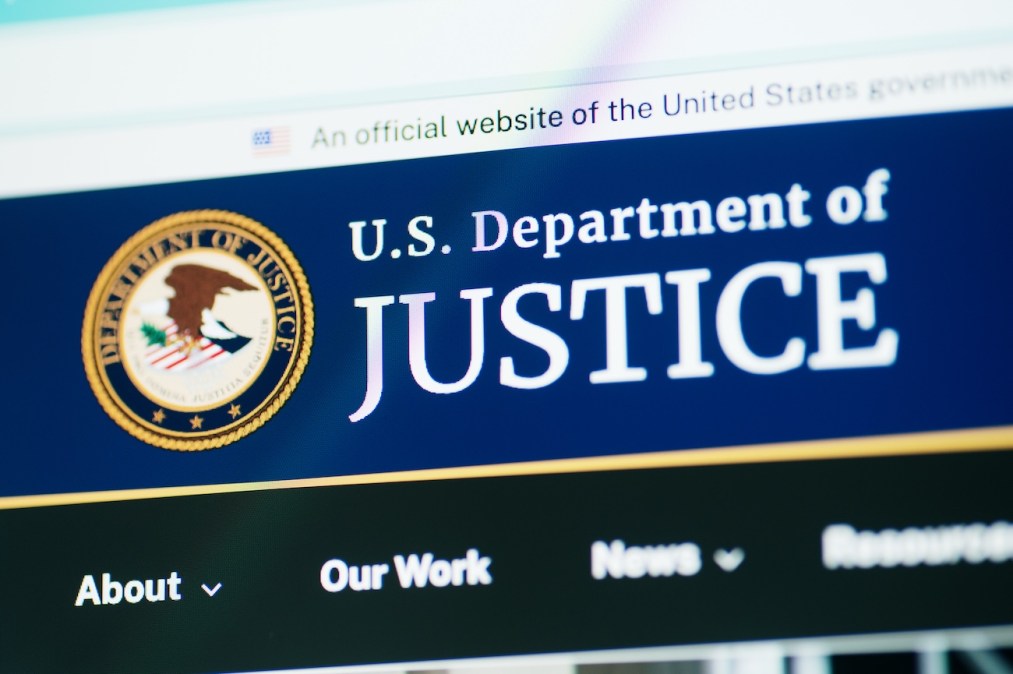
The Department of Justice is expected on Monday to delay the compliance dates for its Web Content Accessibility Guidelines, giving states and large cities an additional year to bring their digital assets and content into compliance with the Americans with Disabilities Act.
The decision, released as an unpublished rule on Friday for public inspection, will extend the effective date of the department’s final accessibility rules that were slated to go into effect on April 26. According to the extension, states and localities with a population of more than 50,000 will have an additional year to ensure their websites and digital offerings are compliant. Entities with populations under 50,000 will now have until April 2028 to comply.
The new digital accessibility guidelines are intended to fill a gap in the 1990 landmark accessibility law, which only set requirements related to physical sites. The DOJ added a new subpart to the Title II ADA regulation, outlining the technical requirements of what it means to be compliant with the ADA on the web. However, in the unpublished rule, the DOJ and other agencies said they “underestimated the costs and burden” of the final rule on small public entities and “overestimated” the capabilities of certain technologies to help covered entities come into compliance.
The rules, which were published on April 24, 2024, govern all digital content and assets owned by state and local governments, including websites, mobile apps and digital files. They compel government-owned digital content and assets to meet the Web Content Accessibility Guidelines 2.1 AA standards, the leading standard for web accessibility.
The rules are broad, and covered entities include all state and local government agencies, along with special purpose districts such as school, water and transportation authorities. Agencies that are contracted by state or local governments to provide public services, such as nonprofits that run programs on behalf of government agencies, will also be required to follow the digital accessibility rules.
While a number of states, cities and special districts have been working over the last several years to meet the deadlines for compliance, the DOJ said a number of factors led to the realization that many state and local governments weren’t going to meet the original timeline. These factors included concerns and feedback shared with the DOJ and the the Office of Management and Budget that some smaller entities simply don’t have enough people, money or expertise to meet the deadlines.
Several elementary and secondary education advocacy associations asked the DOJ to either delay the compliance dates or “rethink the level of compliance required of school districts.” In a survey of its members, one education association found that many school districts would likely need to hire staff to assist with meeting the compliance deadline, and many school districts — many of which are already under-resourced — would struggle to cover the costs meeting the requirements.
“Circumstances outside of the Department’s and covered entities’ control make these regulatory amendments needed to ensure State and local government entities have sufficient time to achieve compliance with the requirements of the 2024 final rule,” the decision reads. “This is in light of the Department’s belief that it overestimated the advancement and availability of technology to make web content and mobile apps accessible when it set the original compliance dates, and in light of the reported resource constraints and staffing limitations facing public entities as those dates imminently approach.”
Despite the capacity and budgetary challenges, some advocacy groups and accessibility organizations opposed delaying the compliance deadlines, arguing that the original timeline in the 2024 rule was reasonable and should remain unchanged. They also argued that postponing the rule would harm people with disabilities by delaying equal access to crucial digital services, such as education and public services, and delaying the rule would penalize the entities that have already invested time and resources to meet the requirements.
The DOJ said that without the extension, several public entities would face burdens from “rushed compliance efforts” and be subject to “significant litigation risk” once the rules come into effect due to the ADA’s private right of action. The private right of action allows private citizens to bring civil lawsuits against entities found in violation of the rules, and the DOJ said that the rules do not give the department “the option to take no enforcement action.”
The department also raised concerns about the changes to the WCAG standards, which are “dynamic” and could leave entities uncertain about what compliance actually requires. There is a risk, the DOJ said, that outside or even international actors could bring lawsuits using the ADA’s private right of action, potentially using the rule to disrupt government operations.
The department also cited concerns about rapid growth of artificial intelligence-generated content created by covered entities, which may not be accessible, adding another potential layer of compliance difficulty and liability risk.
Clarence Anthony, the chief executive at the National League of Cities, hailed the extension as a “sound decision,” adding that the move will benefit localities “of all sizes.”
“Communities have made great strides in recent years to make local government more transparent and accessible to all residents through digital services and online access to information, transactions and public meetings. However, the cost and staff time necessary to ensure that online content is fully compliant with the rule’s accessibility standards is significant, particularly for smaller communities,” Anthony’s statement read. “This rule extension allows local leaders important additional time to plan, budget and implement these updates. Accessibility remains an important priority for local leaders and this interim final rule balances the needs of residents with disabilities with the budgetary realities of local governments.”
Kirsten Wyatt, senior director of the digital government network at the Beeck Center for Social Impact and Innovation at Georgetown University, said in an emailed statement that even with the delay, the mission of achieving accessible services for all is unwavering.
“Our focus isn’t on the moving deadline, it’s on helping governments get ready,” Wyatt wrote. “Even with one more year on the timeline, the underlying requirement hasn’t changed: People need accessible digital services now. This moment is an opportunity for governments to move from reactive compliance to proactive, durable accessibility practices that improve service delivery for everyone.”