Lawmakers consider bill featuring BEAD tracking mandate for Commerce Department
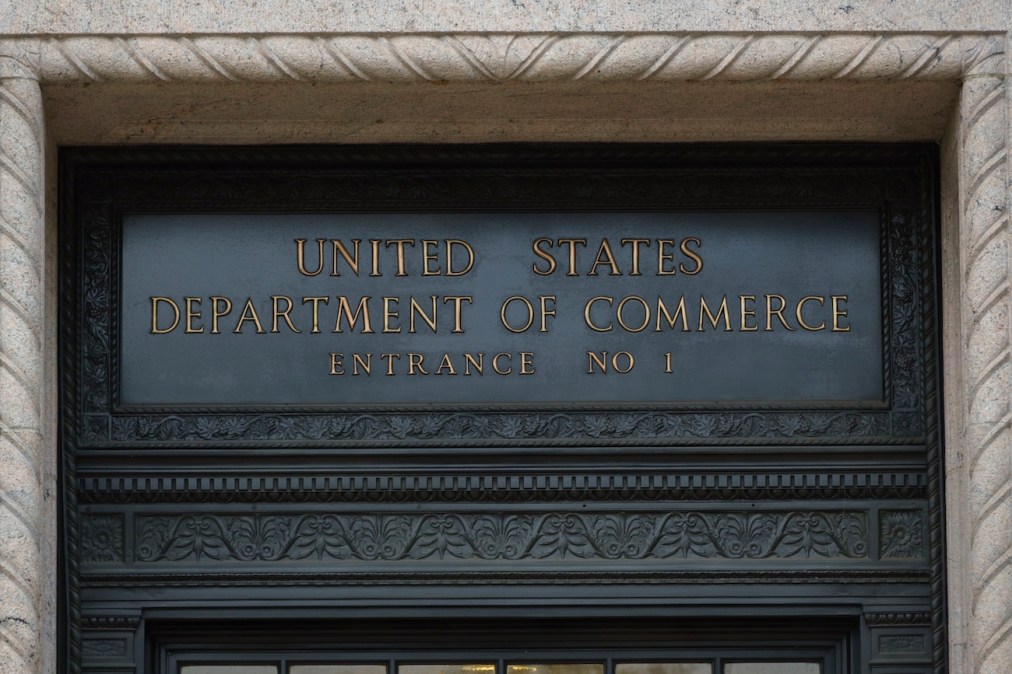
Federal lawmakers are set to consider a bill that would mandate the Department of Commerce to create new digital tools for tracking how projects funded by the $42.45 billion Broadband Equity, Access and Deployment program are progressing.
The Accelerating Broadband Permits Act of 2026 was introduced on Thursday by Sen. John Thune, the Republican from South Dakota who has criticized the Biden administration’s handling of the BEAD program. Two other senators — Ben Ray Luján, the Democrat from New Mexico, and John Barrasso, the Republican from Wyoming, are listed as co-sponsors.
The bill joins a number of other federal measures aimed at tackling issues with permitting bottlenecks that have been the source of frustrations over the last several years with BEAD’s slow rollout, despite the Trump administration’s near-complete restructuring of the program last year.
According to the Congressional Record, the bill would require Commerce and its National Telecommunications and Information Administration, which administers BEAD, to create tools such as a public, online dashboard for tracking how broadband grant recipients are progressing. The dashboard should include information like how much of the awarded funds have been spent and the number of locations that have been connected using grant funds.
It would also require agencies to report regularly to Congress on progress and compliance with deadlines. The bill directs Arielle Roth, Commerce’s assistant secretary for communications and information and administrator of the NTIA, to help executive agencies improve compliance with statutory deadlines by encouraging interagency communication, and to improve both communications and processing through the use of new applications.
The legislation also calls for early-warning systems to identify permitting delays, greater interagency coordination to streamline reviews and clearer definitions of which broadband projects, by size and cost, actually require a full evaluation of the project’s environmental impact as required by the program’s original rules.
The bill has been referred to the Senate Committee on Commerce, Science and Transportation.