Despite AI call-monitoring concerns, NYC corrections plans to renew $23M telecom contract
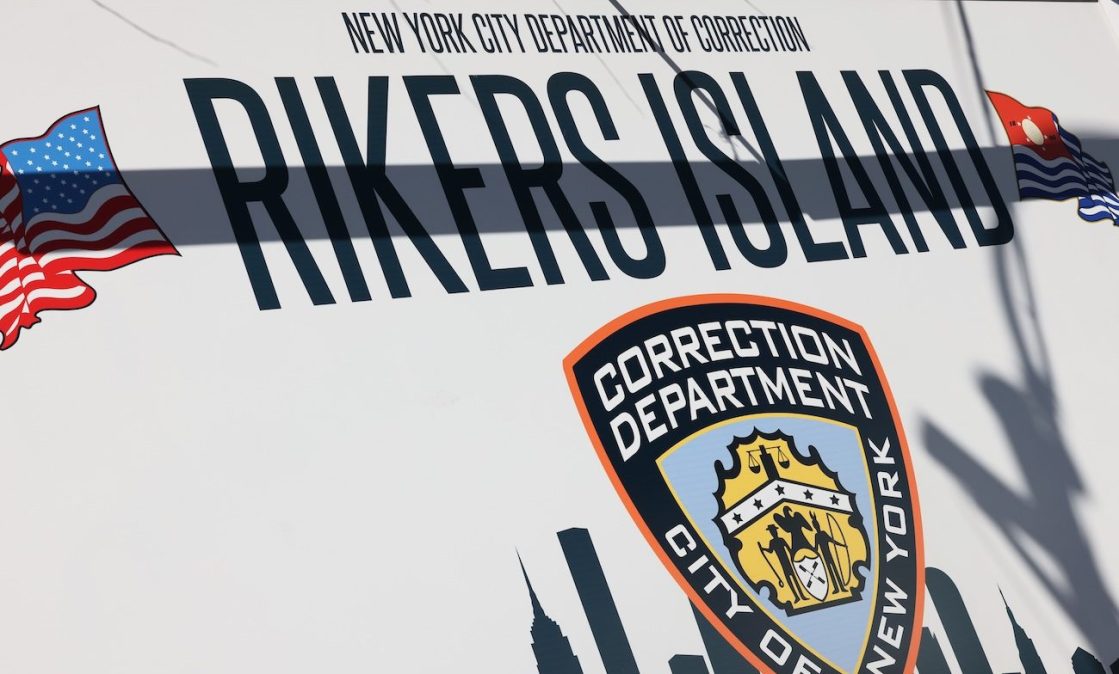
New York City’s Department of Correction is planning to renew a $23 million contract with the telecommunications company Securus Technologies, for its voice and video call services for inmates. But the company’s use of artificial intelligence to monitor calls for criminal activity are fueling concerns about surveillance.
The contract, which has not yet been finalized, but was detailed in a notice posted to the the City Record for public comment in April, has been temporarily extended through the end of the year while negotiations are ongoing according to a new posting from May 8. Under the proposed terms, the new 5-year contract is set to cost $23,235,000, was set to start in July and set to run through 2031. However, some aspects of the service’s integration with AI systems are drawing criticism from advocacy groups, who say that the company’s service allows for pervasive surveillance to not just inmates, but their friends and family members, too.
A DOC spokesperson wrote in an email that the contract extension is to “ensure that people in our care are able to maintain connections with loved ones.” “The purpose of the May 8th notice,” the spokesperson continued, “was to advise the public of an extension of the department’s original contract with the vendor to ensure continuity of these vital avenues of outside communication and personal enhancement while the procurement and contracting process is finalized.”
The original Securus contract was brokered in 2014 through a competitive bidding process for phone and tablet services. It was to last five years and included five one-year extensions. The city used all of the extensions, for a total of 10 years, and it terminated it at the end of 2024. It was extended another year, and then another six months, to allow procurement processes for the new contract to complete. With the May 8 notice, the department shared that it intends to seek another six-month extension while negotiations are finalized.
The Surveillance Technology Oversight Project, or STOP, a New York privacy and civil rights group, on Wednesday condemned the contract’s prospective renewal for its inclusion of AI to monitor inmates’ phone calls, analyze conversations with automated voice-recognition technology and automatically analyze content. The organization pointed out that Brooklyn Defender Services, a nonprofit public defenders office, in its April public comment about the contract said that Securus — by using the AI call-monitoring services — expands its surveillance capabilities beyond the jail to target the friends and family of incarcerated New Yorkers.
Defender Services also warned that Securus integrates with services from the controversial AI data-analytics firm Palantir, which partners with Immigration and Customs Enforcement, potentially in violation of New York City’s sanctuary city designation.
“The City should be shuttering Rikers, not funneling millions toward another half decade of its AI phone surveillance,” Michelle Dahl, the executive director of STOP, said in a news release. “Securus isn’t just a threat to incarcerated New Yorkers, but to their friends, family, and communities. It also undermines the constitutional rights of New Yorkers being held pretrial who haven’t even been convicted of a crime. This sort of technology automates racial profiling and endangers immigrant communities, flagging voices, words, and phrases based solely on algorithmic bias and leaving that data vulnerable to ICE.”
Securus Technologies’ president, Kevin Elder, said its technology not only monitors conversations in real time, but can also predict when crimes are simply “being thought about.” “We can point that large language model at an entire treasure trove [of data],” Elder said last year in an interview with MIT Technology Review, “to detect and understand when crimes are being thought about or contemplated, so that you’re catching it much earlier in the cycle.”
Worth Rises, a nonprofit that advocates for inmates’ rights, that has previously criticized Securus for its surveillance practices and its “extortionate cost” of communications, published a report this month detailing the importance of providing inmates with free access to phone calls and other types of communication services, like video calls or emails. The report described the correctional telecom sector as a “$1.5 billion” industry that has “profited from preying on the human need for connection.” The New York State Department of Corrections and Community Supervision, which also uses Securus, made most calls free in August by providing each inmate with three free calls, each up to 15 minutes, per week. This has improved the conditions of facilities, according to Commissioner Daniel F. Martuscello III.
“Since implementing the free phone call policy last August, we have seen a significant increase in call activity, demonstrating that when financial barriers are removed, individuals in our care make greater use of opportunities to stay connected,” he said in a press release. “These strengthened connections provide critical support and contribute to reduced conflict inside facilities and improved outcomes.”