School, library groups urge FCC not to create proposed E-Rate bidding portal

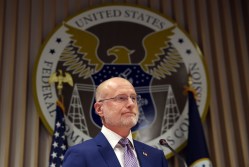
On Thursday, more than 80 groups representing schools and libraries sent a letter to the Federal Communications Commission, calling on the agency to reject the proposed creation of an online bidding portal for its E-Rate broadband subsidy program.
The letter, led by the Schools, Health & Libraries Broadband Coalition, responds to the FCC’s April 9 draft report and order that would amend certain rules in the nation’s largest federal educational technology program, which subsidizes internet costs for educational entities. It would also direct the creation of an online competitive bidding portal for internet service providers to use instead of submitting their bids directly to schools or libraries. The groups — which also include the State Educational Technology Directors Association, National Digital Inclusion Alliance and Consortium for School Networking, among others — argued that the portal would be “overly burdensome” for schools, libraries and ISPs, and that it would likely undermine the FCC’s other work to streamline the E-Rate program.
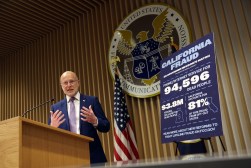
The proposed changes, which stem from the Trump administration’s multi-pronged efforts to reduce waste, fraud and abuse in government, would direct all bids from service providers to be submitted into a centralized portal. Applicants would also be required to upload bid evaluations, vendor selections and contracts into the same system. In its proposal, the FCC said that unifying the process into one system will make it easier to verify the fairness of the process, increase transparency and bolster program integrity.
But, the groups argue, this requirement could deter schools, libraries and ISPs from participating in E-Rate. The letter also raises concerns about conflicts that could arise between the portal’s reporting requirements and state or local procurement requirements. The FCC’s draft order does not address the costs of creating, implementing and managing the portal, the groups note, adding that it could affect the Universal Service Fund, which in addition to funding E-Rate, also subsidizes phone and internet services in rural areas.
The letter references a January report from the Government Accountability Office outlining nine key requirements and best practices for detecting and preventing waste, fraud and abuse across federal programs, such as maintaining “agencywide and program-specific risk profiles” and implementing “specific control activities to prevent and detect fraud.” E-Rate was the only program, of five reviewed, that met all nine requirements.
“Given the GAO’s recent exemplary assessment of current E-Rate mechanisms to safeguard program integrity, we question why the Commission now seeks to pursue a dramatic and overly complex overhaul of the program,” the groups’ letter reads. “The Draft Order does not fully address this, and instead moves forward with imposing an overly burdensome measure that overlooks GAO’s most recent review of the program.”
While the groups argued against the portal, they did commend some parts of the FCC’s draft order, including the elimination of FCC Form 486, a document filed by schools and libraries to notify the government that services have started and that they are compliant with the Children’s Internet Protection Act. They also agreed withe the FCC’s proposals to create a process for transitioning between service providers during the funding year, and to provide an additional 15 days to request extensions on the program’s invoice-filing deadline.
“If the Commission elects to proceed with the Bidding Portal,” the letter reads, “we urge it to delay implementation until at least FundingYear 2029, hold a public comment proceeding to allow input into the portal’s development, create beta testing with applicants and providers to ensure the portal functions appropriately, and hold training for all applicants and vendors on the portal and new requirements under this order.”