Colorado attorney general to delay enforcing AI law after xAI lawsuit
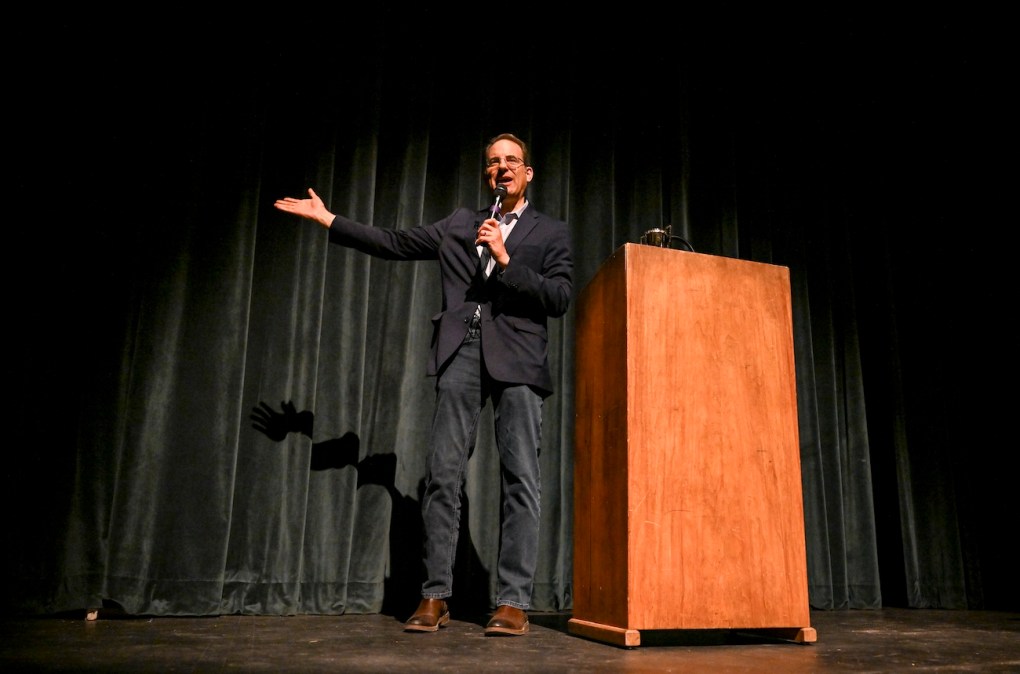
Following a suit filed this month by xAI against Colorado, the state’s attorney general has indicated that he will not enforce the state’s artificial intelligence law when it goes into effect this summer, and asked the federal court hearing the case to temporarily delay enforcement. Elon Musk’s AI company filed its suit in early April, seeking to stop enforcement of Colorado’s 2024 AI law before it takes effect on June 30.
It was the first state law of its kind to broadly regulate high-risk AI systems used in areas like hiring, lending, housing, insurance and government services. It’s been criticized by a number of tech companies for its predicted impacts to innovation and costliness, and was originally scheduled to go into effect in February. Gov. Jared Polis also supported postponing the enforcement date when he convened the state’s legislature for a special session last August, when lawmakers voted to delay enforcement until this June to allow time for revisions.
Polis also established a working group, which last month delivered a new draft policy framework, which would deliver substantial changes to the Colorado AI Act. Despite this work, state legislators have not introduced a bill that would amend the law based on the policy recommendations. Colorado’s legislative session ends mid-May.
A motion filed jointly on Friday by xAI, the Department of Justice and Philip Weiser, the state’s attorney general, seeks to pause the lawsuit while the law undergoes reevaluation ahead of the potential new legislation.
“Given the possibility that legislation replacing or amending SB24-205 [the Colorado AI Act] will be enacted during the 2026 Regular Session of the Colorado General Assembly, the Colorado Attorney General does not intend to promulgate rules implementing SB24-205 or any legislation replacing or amending SB24-205 until the legislative session concludes,” the motion reads. “Further, the Colorado Attorney General does not intend to enforce SB24-205 or any legislation replacing or amending SB24-205 until after the rulemaking process has concluded.”
Travis Hall, director for state engagement at the Center for Democracy and Technology, a Washington nonprofit that advocates for civil rights, said in an emailed statement the delay could harm Coloradans by not preventing “the real and documented harms of AI in decisions affecting people’s lives and livelihood.”
“While many parties have been working to improve 24-205 through legislative reform, the fundamental tenets of the law — to ensure that Coloradans are not discriminated against in in choices about housing, employment, or access to education or healthcare through the use of opaque and unaccountable algorithmic systems — must be maintained,” Hall wrote. “It is well past time that these protections be put into effect.”
State AI laws, such as Colorado’s, have over the last year been at the center of a national debate that’s seen tech industry groups and federal officials push for a unified, national framework. State leaders, meanwhile, in the absence of federal AI standards, have legislated their own regulations, creating tension over a resulting patchwork of governance.