Houston launches AI pilot to improve curb management, make loading zones safer
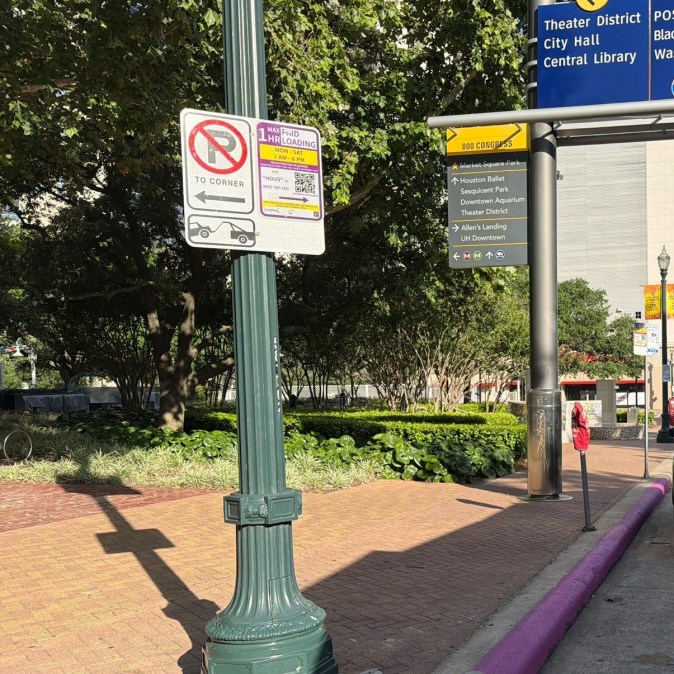
The city of Houston is launching a new technology-driven curb management pilot aimed at improving traffic flow, reducing congestion and making commercial deliveries more efficient in some of the city’s busiest districts.
The 18-month Smart Loading Zone pilot, which began Tuesday, introduces sensor-equipped loading zones in downtown and midtown Houston. Powered by curb management technology company Automotus, the program uses camera sensors and license plate readers to identify vehicles using designated loading areas and automatically charge registered drivers for their time at the curb.
Curbs serve a variety of purposes — as loading zones, bike and bus stops, accessible drop-offs and outdoor dining areas. To manage these competing demands, cities must regulate and optimize the use of spaces between roadways and sidewalks.
“Houston’s curb space serves many different needs, including deliveries, rideshare activity, pedestrians, and traffic movement,” Administration & Regulatory Affairs Director Tina Paez said in a statement. “This pilot will use technology to improve curb access, reduce congestion, support public safety initiatives, and improve efficiency.”
The designated zones, marked with purple curbs, will operate six days a week and are intended to improve turnover, reduce double parking and support local businesses. According to the press release, the information collected through the pilot program will help the city evaluate curb usage patterns and inform future transportation planning efforts.
The city plans to work with businesses, drivers and residents to assess its effectiveness and identify potential improvements.
Houston is the latest city to explore data-driven strategies to help improve curb management in recent years. The Boston Curb Lab started using AI in February to manage a database of curb regulations and help support smarter policy decisions across the city.
Last year, Lawrence, Kan., and Douglas County, Neb., which encompasses Omaha — the state’s most populous city — began using mapping software from Esri, as well as AI tools and lidar, to ensure their curb ramps and sidewalks are compliant with the Americans with Disabilities Act. The 1990 law prohibits discrimination against those with disabilities by guaranteeing that public accommodations and commercial and government facilities are accessible to all.