Digital identity, IT modernization and procurement feature in California’s new budget
California is largely holding the line on technology spending in its $351.7 billion budget for the coming fiscal year, opting to continue long-running modernization efforts and enterprise services rather than launch new, major IT initiatives.
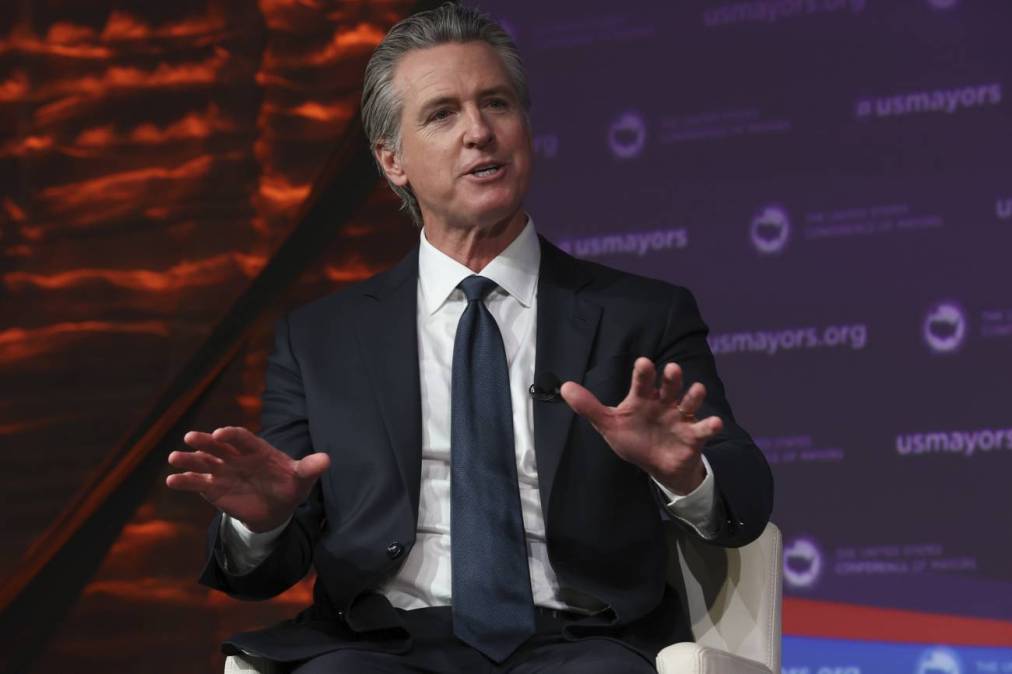
The spending plan, which Gov. Gavin Newsom signed Monday, aims to continue state investments in broadband, election technology and digital identity, as well as support IT modernization and AI procurement efforts already underway. (California’s fiscal year 2026 started Wednesday.)
“This budget reflects years of disciplined decisions that built historic reserves, paid down debt, strengthened our economy, and made transformational investments in education, healthcare, housing, infrastructure, and opportunity,” Newsom said in a press release. “We’re leaving California stronger than we found it — and leaving the next generation a state that’s fiscally sound, economically dominant, and ready for whatever comes next.”
California’s budget extends the timeline for the state’s Middle Mile Broadband Initiative, allowing the Department of Technology to spend a previously approved $550 million through 2028. The extension also gives the department additional time to complete construction and contracting for the statewide open-access fiber network, a key component of California’s broadband strategy.
“Broadband remains a key priority for California, and the additional time helps ensure the network is deployed thoughtfully and efficiently to support long-term connectivity goals,” Monica Hernandez, a spokesperson for the department, wrote in an emailed statement.
CDT also received $1 million for 2026 and $550,000 annually thereafter to modernize internal operations, including the state’s 20-year-old Technology Agency Billing System. Hernandez said the modernization effort will “enhance data security, improve transparency into billing expenditures, and deliver expanded reporting and analytics capabilities,” as well as “provide greater visibility into technology spending.”
The Franchise Tax Board will also receive $60 million this fiscal year to continue replacing its legacy audit, legal and filing enforcement systems, which support state tax administration.
The state budget allocates another $560,000 to helping procurement staff with generative AI acquisitions and statewide modernization efforts, reflecting California’s focus on building up the governance needed to manage its growing portfolio of artificial intelligence tools.
Newsom also on Monday announced that the state negotiated a contract with Anthropic to provide agencies access to Claude, the company’s AI assistant, at half cost. “This funding supports CDT’s ongoing work to modernize statewide technology procurement and evaluate emerging technologies, including artificial intelligence, in a responsible, transparent, and secure manner,” Hernandez explained.
The budget expands the California Identity Gateway, the state’s centralized digital ID platform, where residents can verify their identities and access public services online, without needing multiple accounts. Lawmakers approved $3 million annually from the Technology Services Revolving Fund, allowing more agencies to adopt the centralized identity and authentication platform rather than developing their own login systems. “Consolidating identify verification reduces redundant IT spend when different departments must verify the same individual multiple times,” Hernandez said.
Outside of the state technology bureau, election technology received one of the most significant technology investments in this year’s budget. It provides $29 million for county election offices to improve vote counting through technology upgrades, staffing and operational improvements, along with $10 million for voter education and nearly $1 million to combat election misinformation ahead of the November election.