New Missouri law protects against ‘abusive’ web-accessibility lawsuits

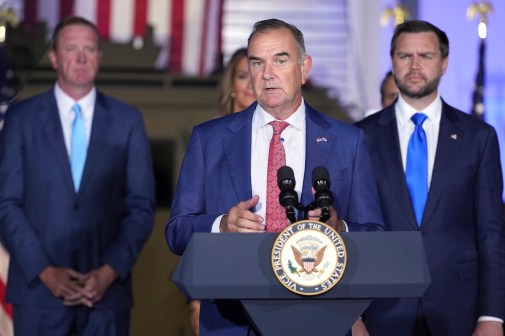
Missouri Gov. Mike Kehoe on Wednesday signed a bill into law that will protect state and local government agencies, along with residents and private businesses, from “abusive” lawsuits that allege website or web-content accessibility violations.
The Act Against Abusive Website or Web Content Access Litigation provides a number of entities the legal grounds to protect themselves against suits over alleged website accessibility issues, such as claims related to the Americans with Disabilities Act, the landmark civil rights law that two years ago the Justice Department extended to apply to the mobile applications, websites and other digital properties of state and local governments. (The department’s final web accessibility rules required state and local governments to follow the Web Content Accessibility Guidelines, the leading standard for web accessibility, developed by World Wide Web Consortium.) Missouri’s law goes into effect on Aug. 28.
To potentially invoke the Missouri law’s “abusive litigation” claim, those facing suits must show that “the primary purpose of the litigation was to obtain payment from a defendant due to the costs of defending the action in court.” The law provides those facing lawsuits 90 days to correct the problem; if the subject of a lawsuit “in good faith takes substantial steps” at remediation, the law creates an obligation for a court to assume that the suit is probably abusive.
The court can also consider other factors to determine if a lawsuit is abusive, including if the plaintiff or law firm files a substantial number of other, similar accessibility suits; there’s a history of frivolous or abusive litigation; or if the the suit appears aimed at only achieving a quick settlement.
Plaintiffs can still attempt to litigate on the basis that the accessibility violations were serious and that the fixes weren’t real or complete, but government entities still have accessibility duties under the federal ADA and other disability rights laws. The law appears primarily meant to provide protection from “predatory” ADA website lawsuits that emanate from firms or individual lawyers targeting private businesses by mass-filing accessibility claims in the hopes of receiving a monetary settlement.
The DOJ has issued a one-year extension on its compliance deadlines for states and local governments to meet their web accessibility guidelines, which were scheduled to go into effect for states and large cities on Friday. Some state and local accessibility leaders are welcoming the postponement, claiming that this extra time will lead to stronger compliance.