Marin County, Calif.’s digital accelerator helped agencies stop blaming each other
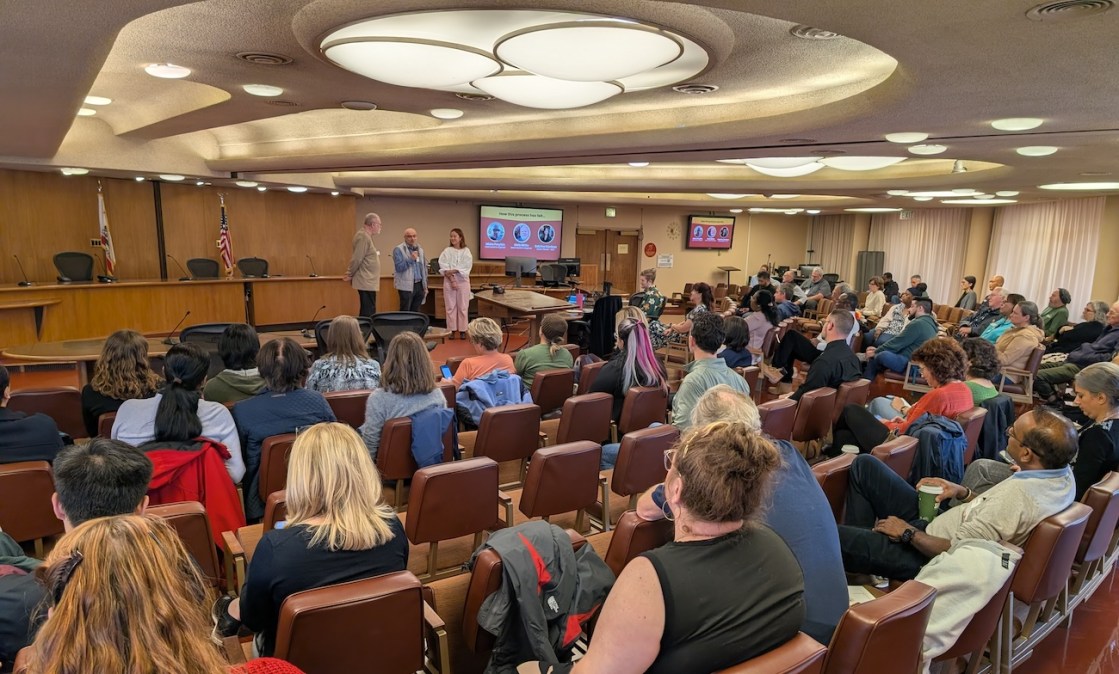
Marin County, California, government leaders have worked over the last couple of years to modernize their digital services. But they say a new digital accelerator program is doing something bigger: reshaping the county’s workplace culture, and shifting the focus from simply expanding access to IT, toward making innovation a part of everyday government operations.
In early 2024, the San Francisco Bay Area county launched the first phase of a new County of Marin website, which included more accessible features and a streamlined design, with the hopes of helping residents find services more easily. The improvements were made after county leaders spent much of 2023 gathering feedback and insights from residents on the website’s design, content and usability.
While the feedback guided the technical side of the county’s modernization effort, and helped to improve resident experience, some internal functions of government were still in need of modernizing, too. Crosby Burns, the county’s chief digital and innovation officer, said county offices and departments faced challenges with disconnection from other arms of government, leading to frustrations about communication barriers and departmental silos.
Burns, who joined the county in June after spending a few years in the private sector after a nearly three-year tenure as the chief strategy officer for Massachusetts’ IT office, said these departmental divisions became apparent within his first couple of months on the job.
“My first couple months here, I knew coming in, having just talked with a lot of the county leaders, and having just been a resident, that our digital services in general, and generally, our service delivery is [not] what you would expect from a county like Marin,” Burns said. “And so very quickly, I realized what wasn’t the problem. It wasn’t a lack of resources. … What wasn’t working, though, was just how we work.”
He said he began thinking on ways to improve the “how” of county-level work, and landed on the accelerator program. Burns said the accelerator was inspired by a 90-day website pilot program run, in 2019 and 2020, by California’s government operations and technology bureaus and Luke Fretwell, a former journalist who founded the media and innovation lab GovFresh and cofounded a government digital experience manager called ScanGov. Marin’s project assembled a multidisciplinary team that combined state employees and outside experts, with the task of building and prototyping new ways of working within a digital government.
Fretwell helped Burns tailor the program’s model to the unique landscape of Marin County’s government, and the pair designed the Digital Accelerator Initiative to directly address the departmental divisions by flattening the county’s structure and promoting more collaborative problem-solving over blame.
“It was just this big kind of unlock for everybody to say, Hey, it’s not anybody’s one fault. That’s a fundamental attribution error, right? It’s easier to say, Oh, it’s not working because of that person rather than that situation,” he said.
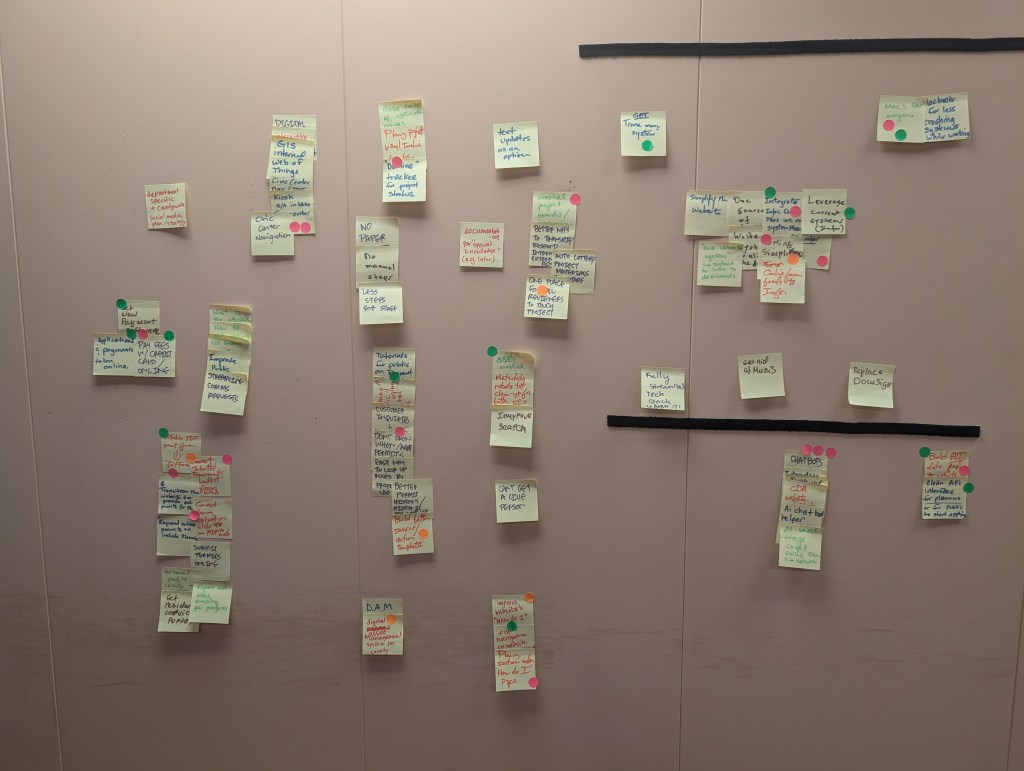
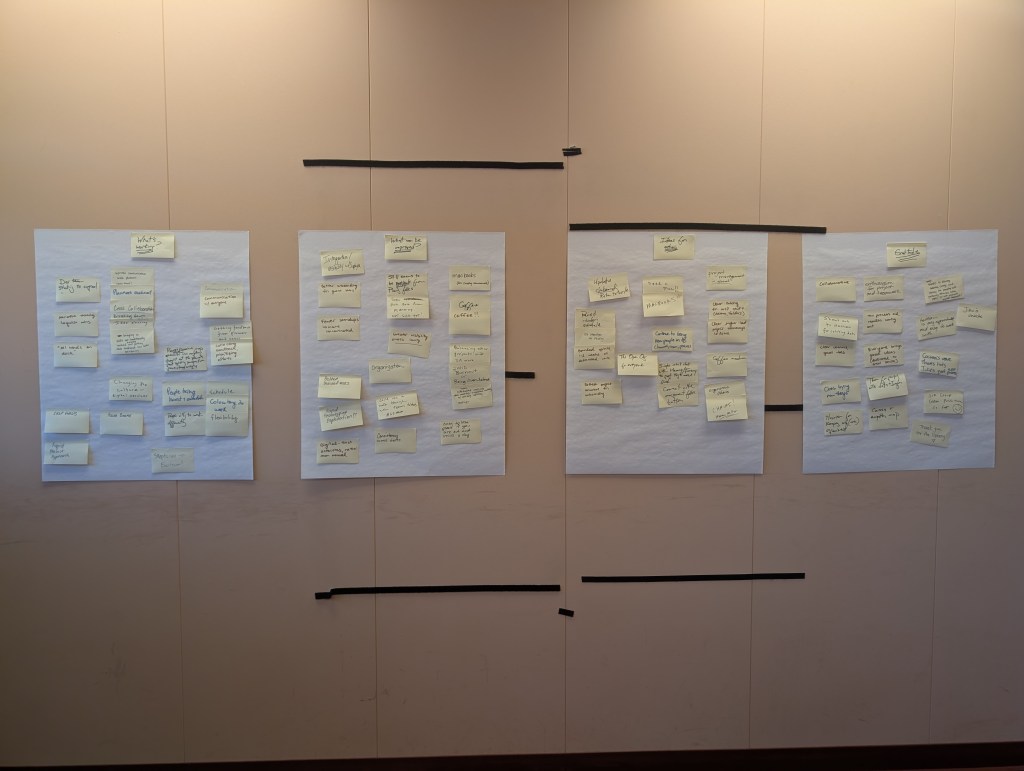
In the initiative’s first weeks, Burns said, the attention has been on maximizing resources and in-house expertise to streamline processes and enhance digital services. Key strategies, he said, have included in-person workshops, workflow mapping and using new technologies, such as artificial intelligence. The process has bridged a number of divides, he said, and brought greater understanding to workflows across the county government.
“After about six weeks of this, we had some really tenured folks who were kind of stuck in bureaucracy say, Hey, you know those people in community development? I really like them. I really like working with them. They’re incredibly smart, and I’m learning I’m understanding a little bit more of their day-to-day. And then on the planning side, one of the managers of the Community Development Agency, pulled me aside and said, Hey, we’ve been blaming IT the whole time for our problems. Turns out, some of these problems are of our own making, right?
Burns said the project, paid for by a county “transformation” fund, has so far seen significant internal engagement, with other departments asking how to start their own accelerators, citing this one’s attractive success of reducing redundancies. The initiative has also emphasized across departments the importance of optimizing services for machine readability to better integrate with large language models, and chatbots planned for the county’s website.
But one of the program’s major successes — one Burns wasn’t completely expecting — was the deep changes to how county employees thought about modernization itself. For employees, Burns said, the accelerator’s appeal lies in the attention to how work gets done, not just the outcomes it produces. This, he said, contrasts with how government tech is traditionally thought about.
And for most, this prioritization of culture change through practice, instead of institutional mandates, he said, feels like a breath of fresh air.
“I’m spending 80% of my time on culture, on people, on capabilities,” he said. “You can’t change mindsets and culture with a project. You need to do it by actually changing the way we work with one another. The success of the initiative is measured by the ability of employees to make decisions and work collaboratively. … The benchmark is, it’s not exactly quantitative, but it’s people feeling, Wow, I can make more decisions. We can do things quicker than we thought we could. And thinking about services and not information, right?”