Emergency preparedness applies to digital infrastructure too, says Washington, D.C.’s tech chief
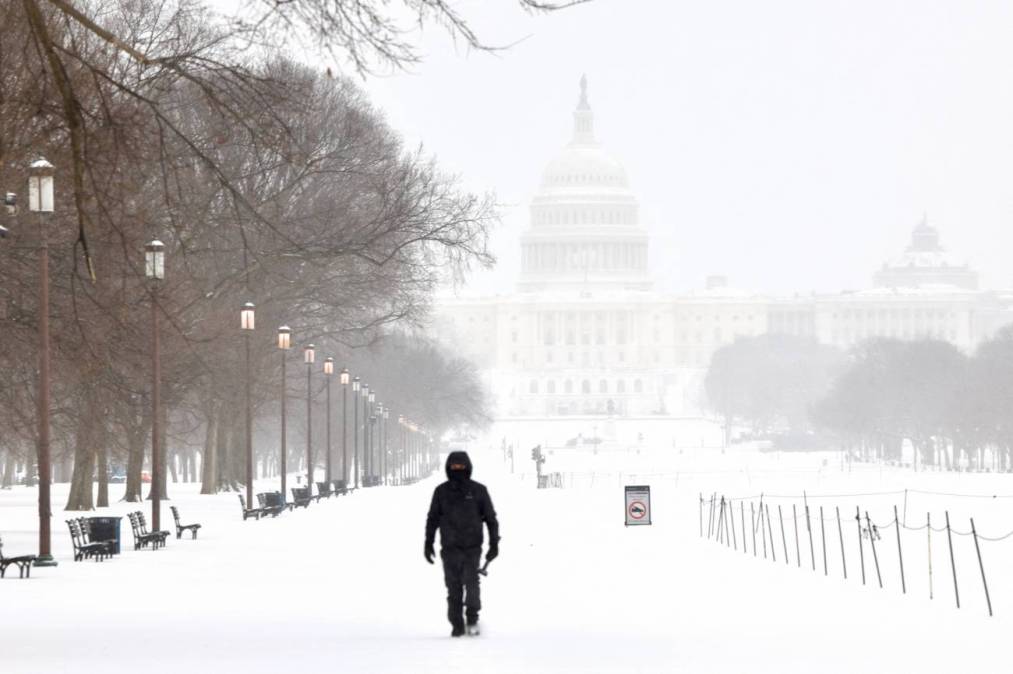
Last week, a late January winter storm brought heavy snow, ice and prolonged freezing temperatures to Washington, D.C., and much of the Midwest and Eastern United States, significantly disrupting daily life and public services.
Winter Storm Fern, named by the Weather Channel, dumped as much as 10 inches of snow in parts of the metro area and created a hardened mixture of snow and ice, which made cleanup and road clearing difficult for days afterward. But while much of the public focuses on snow removal and road crews, the severe storms, which might have damaged power lines and caused outages, also put the city’s digital infrastructure at risk.
To safeguard the city’s digital assets, Stephen Miller, Washington’s chief technology officer, said that city agencies spent more than a week on emergency preparations leading up to Fern, which landed on Jan. 23. The preparation included ensuring the city workforce remained mobile, cataloging data in case of system failures and implementing robust communication plans between public safety offices.
“We learned a long time ago how to get them remote and how to get them ready. It starts with a communication strategy,” Miller said in an interview. “Start taking your laptop home, start taking your phones home, start taking your radios home, all of your tech make sure it’s working, make sure there’s no barriers in this lead up.”
During the storm, Miller said his office, known as OCTO, shifts into an enhanced operational posture, with staff monitoring city systems every hour and briefing city leadership frequently to address issues as they emerge. He said this real-time oversight helps ensure that emergency notifications, like 311 and 911 communications, public service portals and remote work systems remain available even when weather conditions are harsh.
“I know what temperatures are like in our in our closets. I know what our battery status is,” Miller said. “I know what our equipment, how it’s operating at that point in time. And then we just start to take critical kind of snapshots every hour and make sure that everything is performing as it’s supposed to.”
Miller also emphasized the importance of strong data-sharing practices between city agencies to ensure information and digital services remain accessible.
“We work with agencies to catalog, classify and describe their data, so we know what’s readily available, and we also know what the bumps will be on getting that data into action,” Miller explained, adding that even a limited capacity is better than none. “Given the emergency or the event that we’re in, that 25% is valuable enough to get them through that moment.”
These efforts reflect the broader Resilient DC initiative, which coordinates technology, emergency management and climate adaptation planning across city agencies year round. By viewing digital infrastructure as a critical lifeline, similar to roads and utilities, Miller said OCTO aims to maintain continuity of operations no matter how severe the winter weather becomes.
“This was a significant event, very different than anything that we’ve seen in the past: a snow event with prolonged ice and then prolonged lower temperatures,” Miller said. “There’s a lot of lessons learned that we’ll collect from our data that’s going to help us next time something like this happens.”