State lawmakers from 28 states ask Commerce to release BEAD ‘nondeployment’ funds
A bipartisan coalition of 164 state legislators from 28 states on Tuesday sent a letter to the Department of Commerce, urging leaders to release funds states were set to receive for broadband “nondeployment” purposes under the Broadband Equity, Access, and Deployment program.
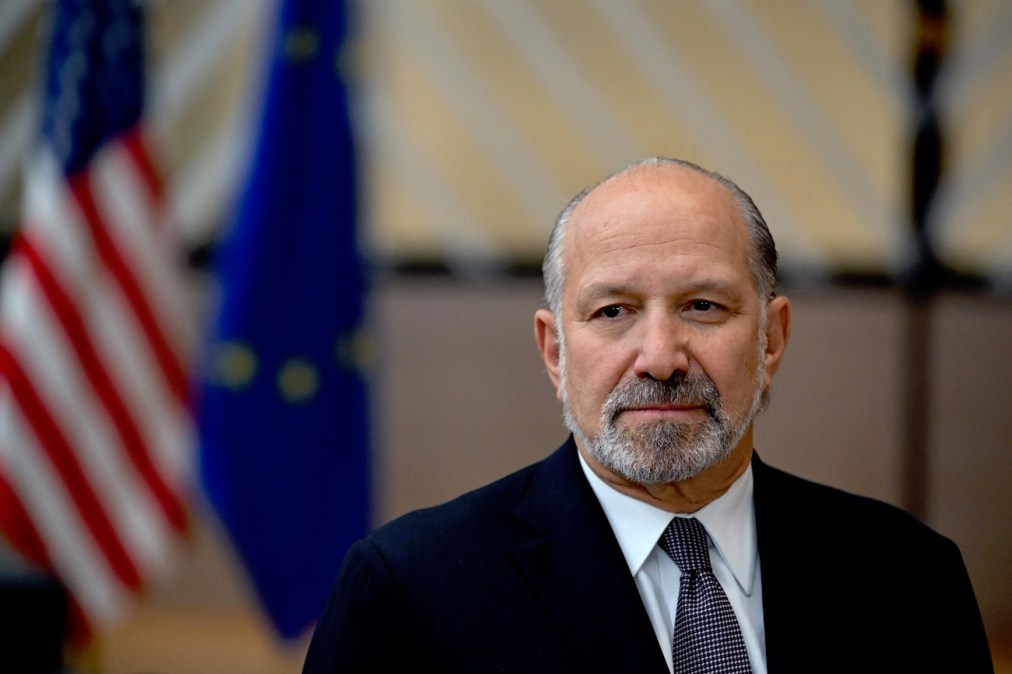
The letter was organized by State Connections, a broadband group for state legislators, and published by the Benton Institute for Broadband and Society. It was addressed to Commerce Secretary Howard Lutnick and National Telecommunications and Information Administration Administrator Arielle Roth, who have both indicated that they intend to claim the billions in leftover BEAD funds not used on deployment as “savings” for American taxpayers, insinuating that the funds would return to the Treasury and not be discharged to the states.
The surplus of BEAD funds can be partially credited to the “benefit of the bargain” round of subgrantee selection, which states were required to complete as part of the new program guidance shared by Lutnick last June. It included a mandate that states and territories select the lowest cost bid, and shifted the program away from its preference for fiber technologies, a selection made for the technology’s known reliability, toward a more technology-agnostic position.
The June guidance, however, did not offer new rules for how states could use the leftover funds on nondeployment items. The original program rules said states could use their leftover funds on things like bolstering public services tied to broadband access, such as workforce development, telehealth, cybersecurity and digital literacy.
Moreover, the agency rescinded any previous approvals of nondeployment activities approved under the Biden administration, and did not require states’ final proposals to include plans for the use of these funds. The agency said it would issue updated guidance, but has yet to do so.
Noting this confusion about the nondeployment funds, the state legislators in their letter urge Lutnick and Roth to follow the 2021 infrastructure law that codified how states could use their leftover BEAD funds to address all aspects of closing the digital divide. The infrastructure law also held that states would receive their full BEAD allocations regardless of program changes.
“The first use — network deployment — is BEAD’s top priority. But it is not its only priority,” the letter reads. “Congress wisely designed BEAD so that any funding not spent on deployment could be used for other ‘non-deployment’ purposes. This structure not only encourages efficiency and rewards states for deploying ahead of BEAD, it gives states the flexibility they need to address every aspect of the digital divide, not just those related to rural last-mile rural infrastructure.
“Congress was clear: non-deployment investments are not optional extras, they are central to BEAD’s mission. Non-deployment funds are poised to support a range of critical activities, such as building AI infrastructure, streamlining permitting and pole attachment processes, developing the telecom workforce, improving middle mile and cellular networks, enhancing cybersecurity and emergency services, expanding telehealth and education opportunities, and fostering broadband adoption and affordability. Effective deployment depends on non-deployment. Without it, BEAD will fail to deliver the full value Congress intended and taxpayers deserve.”
In a news release, the Benton Institute said this letter relates to another that state legislators privately sent on Nov. 18, urging the Trump administration to release non-deployment funds. Another group of lawmakers, 10 House Democrats, in August also asked the federal government to provide more clarity on the future of the funds.
And while no clear guidance has been issued yet, the release claims that Roth said last week that she is “operating under the assumption that states will get to use their BEAD savings.”
“Network deployment is BEAD’s top priority, but not its only priority,” Indiana State Rep. Matt Pierce, who also co-chairs the State Connections broadband group, said in a news release. “We’ve built smart broadband plans tailored to our communities, and the non-deployment funds are what turn infrastructure into opportunity.”