State AI law moratorium omitted from 2026 defense bill, but Trump is preparing ‘ONE RULE’ executive order
On Sunday, federal lawmakers shared the bill text of the National Defense Authorization Act of 2026, which did not feature the contentious state artificial intelligence law moratorium it had been rumored to include. However, federal efforts to rein in state and local authority over the technology aren’t dead just yet.
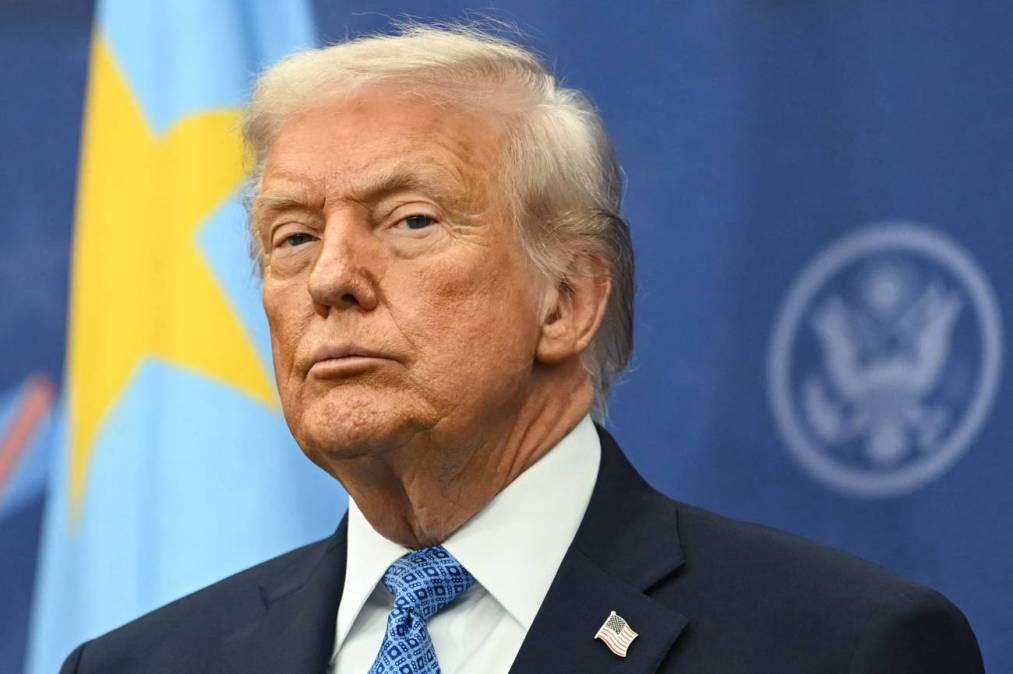
Early Monday morning, President Donald Trump wrote on Truth Social that he will sign an executive order this week to preempt state and local laws governing AI, creating “one rulebook” for the technology across the country. This would make for the second time Trump has floated the idea of using executive powers to hamper states’ ability to govern or regulate AI.
Trump cited concerns similar to those voiced by some Republicans about the multitude of laws across the country, and that by allowing states to continue regulating AI, the technology’s market growth would be impeded.
“There must be only One Rulebook if we are going to continue to lead in AI. We are beating ALL COUNTRIES at this point in the race, but that won’t last long if we are going to have 50 States, many of them bad actors, involved in RULES and the APPROVAL PROCESS,” Trump wrote. “THERE CAN BE NO DOUBT ABOUT THIS! AI WILL BE DESTROYED IN ITS INFANCY! I will be doing a ONE RULE Executive Order this week. You can’t expect a company to get 50 Approvals every time they want to do something. THAT WILL NEVER WORK!”
Though the terms of the order have not been released, a draft executive order that circulated in November promised to establish a litigation task force to challenge state AI actions, restrict funding to states if they enforce their existing laws and launch widespread preemption efforts.
Some Republicans, like Sen. Ted Cruz of Texas — who originally introduced the concept earlier this year — have been vocally supportive of moratorium and aligned themselves with the president’s efforts to enact such a preemption of state and local laws. Others have been less eager to acquiesce.
Florida Gov. Ron DeSantis, who has been critical of Trump on a number of items over the last several months, wrote on X last month that the measure would be “a subsidy to Big Tech,” and “lets technology companies run wild.”
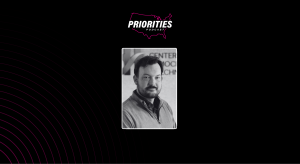
Travis Hall, state engagement director at the nonprofit Center for Democracy and Technology, noted the unpopularity of the measure in a statement about the latest proposed executive order.
“On the heels of Congress correctly deciding for the second time not to pass legislation that would ban states from regulating artificial intelligence, the President should recognize that this is a misguided, unpopular, and dangerous policy choice,” Hall wrote. “The power to preempt rests firmly with Congress, and no executive order can change that. State lawmakers have an important role to play in protecting their constituents from AI systems that are untrustworthy or unaccountable. They should remain steadfast in responding to the real and documented harms of these systems.”