Florida man, ACLU sue police after wrongful arrest using facial recognition tech
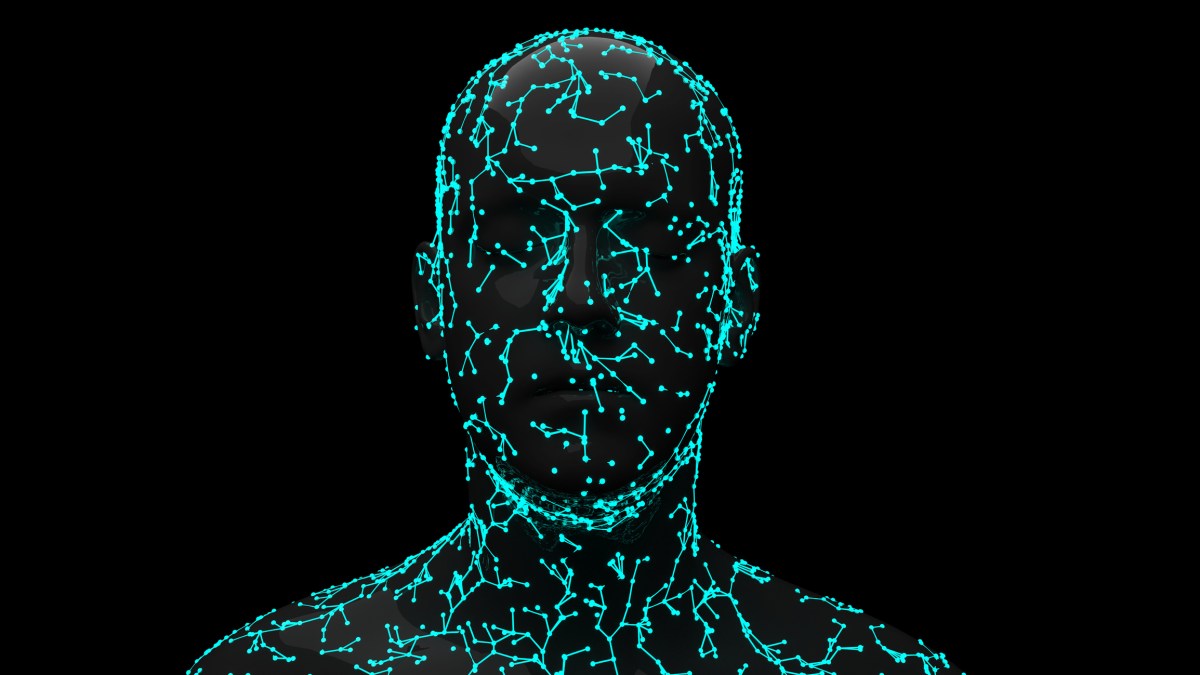
A Fort Myers, Fla., man is suing several law enforcement agencies in Jacksonville following his wrongful arrest in 2024 that was tied to an incorrect identification via facial recognition technology.
The suit, which was filed on Wednesday and is being brought on behalf of 52-year-old Robert Dillon by the American Civil Liberties Union, alleges that in August 2024, Dillon was arrested after being accused of trying to lure a child at a McDonald’s restaurant in Jacksonville Beach. But ACLU’s suit claims that despite evidence that Dillon couldn’t have committed the crime, which was said to have occurred more than 300 miles away from his home, and that he had never visited Jacksonville Beach, police still got a warrant using facial recognition technology.
Dillon is suing the Jacksonville Beach Police Department, Jacksonville Sheriff’s Office, Pinellas County Sheriff’s Office and the individual police officers who were involved for damages. The suit also demands that the Pinellas County Sheriff’s Office, which operates the statewide facial recognition technology system, institute policy changes immediately.
Though Dillon lived five hours away and claimed he had never even been to Jacksonville Beach in his life, he was identified as a possible suspect after a Jacksonville Sheriff’s Office employee ran grainy surveillance photos of the suspect through an AI-assisted facial recognition program, which identified Dillon as a possible match. Using the match and the statement of a McDonald’s employee who picked Dillon’s photo out of a lineup, Jacksonville Beach police obtained an arrest warrant.
The lawsuit claims, however, that the employee’s identification of Dillion in the photo lineup was unreliable because when facial recognition technology generates a false match, it is often of someone who looks similar to the suspect, thus misleading witnesses who are asked to choose among the suspect’s lookalike and a set of random filler photos.
The police also didn’t tell the court when seeking the warrant that the McDonald’s employee said the suspect was a “regular” at the Jacksonville Beach restaurant. Along with the fact that he claimed to have never been to Jacksonville Beach, an automatic license plate reader search also showed no hits on Dillon’s car anywhere near the Jacksonville Beach McDonald’s in the days surrounding the crime.
Following the arrest, Dillon claims he was forced to borrow money and pledge the title to his truck to post bond. He also said he lost income while subjected to months of criminal prosecution; was publicly branded as a criminal with a mugshot that remains accessible online, long after the charges were dropped; and is still approached by community members in public to ask about the case. The ACLU said that no law enforcement agency has apologized.
“The night I spent in jail after they arrested me for a crime I did not commit still haunts me to this day. I will never get over how terrified and worried I was, wondering if I’d ever go home to my wife and daughter again,” Dillon said in a statement. “Over a year later, I’m still picking up the pieces of my life, all because the police relied on this dangerous technology instead of doing their jobs and actually investigating. Florida police must implement safeguards and ensure this never happens to anyone else, because until they do, nobody is safe.”
Dillon’s arrest is part of a larger issue with the Pinellas County Sheriff’s Office’s statewide facial recognition technology system, the ACLU claims. Earlier this year, another Florida man was wrongfully arrested in Orlando. And earlier this week, it was reported that the Jacksonville Sheriff’s Office wrongfully arrested a North Carolina resident in 2025, and he spent nearly three months in jail for a car theft that he did not commit.
Dillon’s case is one of several wrongful arrest cases that the ACLU has represented over the past several years amid the technology’s growing influence in law enforcement investigations. Earlier this year, the legal nonprofit demanded a policy review and public apology from law enforcement agencies in Maryland after police there relied on a faulty facial recognition scan in 2021 performed by an unknown website user to imprison a woman for six months.
“One wrongful arrest is one too many — this should have never happened to Mr. Dillon,” Nicholas Warren, a staff attorney at the ACLU of Florida, said in a statement. “Florida’s growing reliance on facial recognition technology threatens us all. We must stop this dangerous pattern before it traps more innocent people. No one should have their freedom taken away because the police rely on faulty technology.”