Coalition of state lawmakers again urges Congress to reject AI preemption proposal
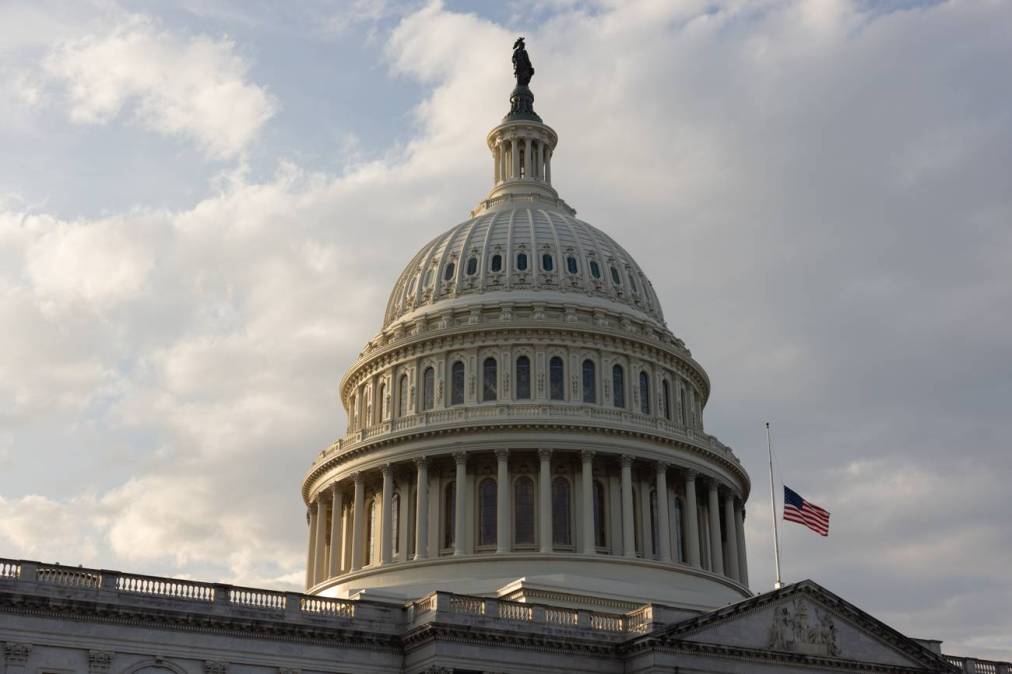
A coalition of state lawmakers is once again warning against a federal proposal to preempt state laws regulating artificial intelligence, submitting a letter to Congress on Tuesday urging the nation’s lawmakers to oppose the Great American AI Act, which was released in draft form earlier this month.
In the letter, lawmakers voiced their opposition to GAAIA’s proposed three-year preemption of state AI laws that regulate the development of certain AI models. They noted the bill’s potential impacts on a “sweeping set of state laws” that would “tie the hands of lawmakers at a moment of rapid technological transformation.” They cited concerns from constituents, including parents, artists, creators, local communities and general consumers about the threats AI can pose to safety, livelihoods, privacy and cybersecurity.
To combat these worries, state and local lawmakers have worked to consider and pass thousands of bills and laws in recent years to create legal protections against such risks. While the draft bill would allow for states to pass laws of “general applicability” related to AI and regulate models after they’ve been deployed, many state and local AI laws would be impacted by GAAIA, the state legislators wrote.
“In the face of such fast-moving technology, state lawmakers have a critical role to play in protecting our communities. At its core, our system of government protects the ability of states to act as laboratories of democracy, responsive to constituent concerns,” the letter said. “Freezing the ability of state lawmakers to address AI harms fundamentally violates that principle at a moment of uncertainty and new risks for the communities that we represent.”
The letter, assembled by the policy nonprofit Americans for Responsible Innovation, mirrors a similar letter that the organization led last June, in which more than 260 state legislators — 51 of whom also signed Tuesday’s letter — told Congress of their opposition to a provision in last summer’s federal budget reconciliation bill that was set to impose a 10-year ban on state and local regulation of AI.
The moratorium on state AI laws was first introduced last spring in a provision of a draft of President Donald Trump’s proposed H.R. 1, better known as the One Big Beautiful Bill. The moratorium was dropped from the bill’s final text after a resounding 99-1 vote against the measure, but not before prompting major opposition from state officials, privacy advocates and attorneys general, many of whom argued that the states passed their own AI laws because Congress had yet to establish baseline safeguards for AI technologies.
However, the idea was not totally defeated: Top Republicans began suggesting measures to pass the measure independently or include it in another large spending bill or authorization package. Supporters continued to argue that the myriad of state AI regulations created a patchwork that could hamper innovation and undermine the nation’s ability to compete internationally on AI development.
Then in December, Trump signed a vague executive order challenging state laws that regulate the private sector’s use of AI or conflict with his administration’s national AI framework.
“GAAIA’s preemption provision promises to override state AI laws related to the development of any AI model without implementing a federal framework to replace current state protections,” the letter continued.
“Such a sweeping category of laws would include measures addressing the AI models trained on copyrighted works or child abuse content, legislation ensuring that AI is not developed in a way that discriminates against workers or homebuyers, and state bills that protect the privacy of consumers. Not only is the provision extremely broad as written, but the tech industry will almost certainly weaponize such a provision in court to strike down state measures not intended to fall within the scope of GAAIA.”