Ohio launches first statewide data-sharing compact to standardize agency agreements
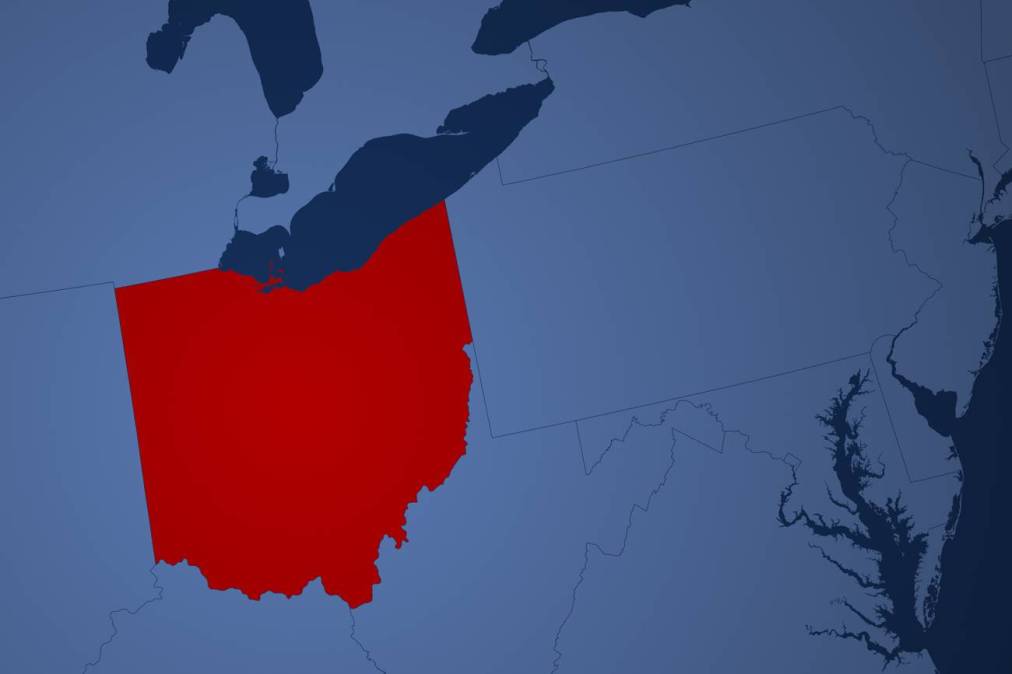
Ohio has established its first statewide data-sharing compact, creating a standardized framework for agencies to share information while addressing privacy, security and emerging technology concerns.
Launched in July, the new initiative does not replace an existing compact, according to Raivo Murnieks, the state’s chief data officer and head of the Ohio Department of Administrative Services’ Office of Data and Efficiency. Murnieks said the state previously had a data-sharing standard for advanced analytics projects through its enterprise analytics platform, but officials wanted to extend that approach to broader cross-agency data sharing.
“That model helped us establish consistent terms promoting security and privacy, so we said, ‘why wouldn’t this extend to data sharing between agencies, not just for enterprise analytics projects, but for standard data sharing that’s required for other laws and purposes?'” Murnieks said in an interview.
Murnieks said the compact grew out of several years of Ohio’s data governance work, including a statewide policy committee, which spent roughly six months developing the working draft based on the data-sharing compact in Texas.
“I’m not big about recreating a wheel, but recognizing it to support and meet the needs of how Ohio’s structure is established,” Murnieks said.
One of the new compact’s goals is to reduce the need for agencies to repeatedly negotiate the same terms when establishing data-sharing agreements. Daren Arnold, the state’s chief privacy officer, said roughly 80% of the terms in individual data-sharing agreements addressed the same topics, even when the wording differed.
Arnold said the compact standardizes those common provisions, while allowing agencies to specify the details of individual data-sharing arrangements, including their purposes and data-retention requirements. It also establishes a standard data-sharing agreement template so agencies can use a consistent format rather than creating their own agreements from scratch.
“We spent 20 minutes, for example, talking on the definition of data and how that term is defined, for example. We did that one so that every time there’s data sharing agreement that conversation doesn’t have to reoccur,” Arnold said. “It’s helped us with consistency.”
The framework also accounts for artificial intelligence, including a provision requiring agencies to approve how AI is used with shared data, ensuring its use case is appropriate for the particular data-sharing arrangement.
“It’s just making sure that all participating agencies are okay with it. It’s nothing super specific, but we do address it,” Arnold explained.
Murnieks said the compact will be reviewed and updated as needed through Ohio’s existing data governance structure, with agency feedback and internal audit findings helping identify potential gaps or areas for improvement.