Citing concerns over Flock cameras, Missouri governor signs executive order on ALPRs
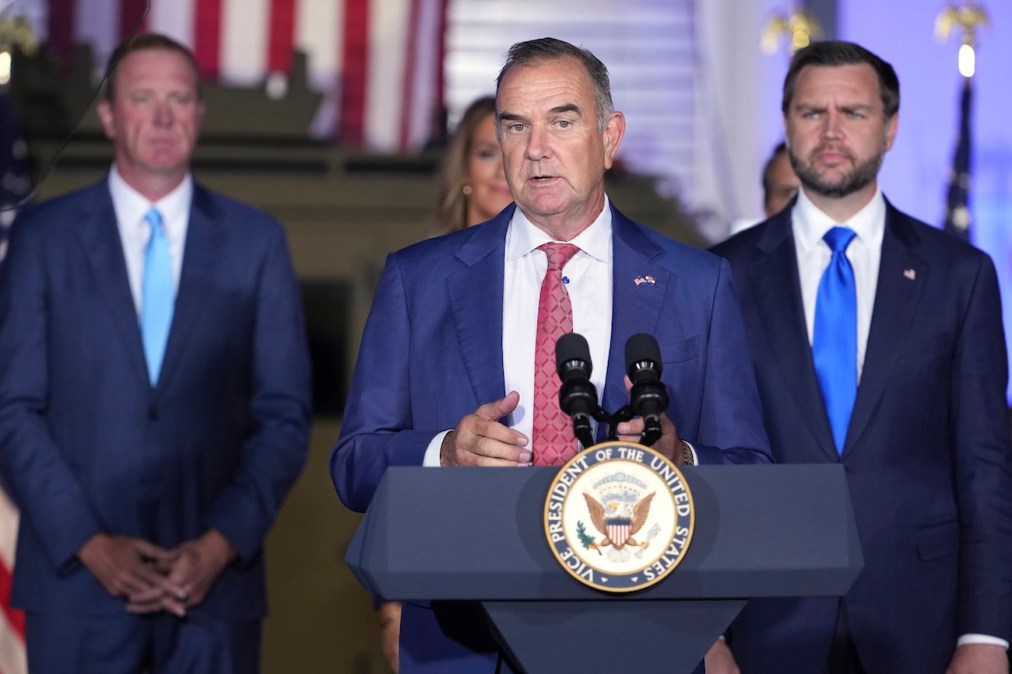
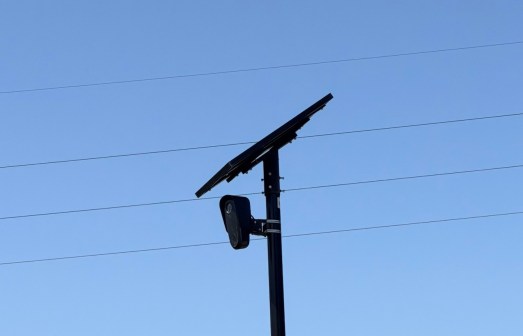
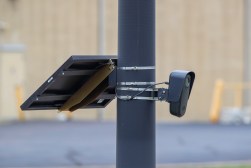
Directly citing concerns over the use and misuse of automated license plate readers — particularly Flock Safety’s cameras and data-sharing network — Missouri Gov. Mike Kehoe signed an executive order Tuesday directing the development of strict safeguards for the use of ALPR technology.
The order directs the Missouri Department of Public Safety to establish statewide safeguards for state and local law enforcement entities using ALPR technology, specifically to prevent the misuse of personal location data of Missourians, while the state’s legislature works to pass a permanent statutory framework. It also makes clear that any misuse of ALPR technology would trigger immediate disciplinary proceedings or criminal referral where necessary and ensure that a mandatory report is sent to the director of DPS for officer license revocation or discipline.
Kehoe’s order also includes a number of standards that law enforcement agencies are “encouraged to voluntarily commit to… where possible under existing contracts and law,” while the legislature and other stakeholders work to build that permanent guidance.
These standards include requiring that most license plate and vehicle data be permanently deleted within 30 days; prohibiting vendors from selling, sharing or commercializing data captured in Missouri; limiting the use of ALPR technology to legitimate criminal justice and lifesaving purposes; requiring accountability measures to prevent and penalize misuse; and prohibiting the integration of artificial intelligence facial recognition technology with ALPR systems.
“Protecting citizens also means protecting their constitutional rights,” Kehoe said in a statement. “The unchecked collection and indefinite storage of location data belonging to law-abiding citizens raises substantial, valid constitutional and privacy concerns. The government should not be building a permanent record of where law-abiding Missourians go, who they visit, or how they live their daily lives. This executive order is the first step in creating safeguards against abuse of this data, while still understanding the benefits of these vital public safety tools for law enforcement.”
Kehoe’s administration specifically cites the recently discovered rash of law enforcement officers abusing the technology to spy, stalk or harass romantic interests or exes. Cases so far have been documented in Georgia, North Carolina, Massachusetts, Wisconsin and other states, and the press release announcing the order from the governor’s office directly cites the arrest of a New York Sheriff’s investigator earlier this month after she was caught using her department’s safety cameras to track her ex-girlfriend and others.
Though the administration concedes that the technology can be helpful in assisting legitimate criminal investigations, the abuse cases “highlight national vulnerabilities and critical deficiencies in standard operating data protections and vendor transparency,” the news release said.
“Automated license plate reader systems have proven to be a valuable tool for law enforcement agencies to utilize in their efforts to catch violent criminals, recover stolen vehicles, and find missing or endangered people,” Missouri Department of Public Safety Director Mark James said also in the release.
“With this executive order, Governor Kehoe is making it clear that the state must establish a clear, accountable legal framework that equips law enforcement personnel with modern technology while also safeguarding the fundamental privacy rights and civil liberties of Missouri citizens,” James said. “Our department looks forward to collaborating with state and local law enforcement agencies, as well as the members of the Missouri General Assembly, to put this executive order into action.”