As federal deadlines shift, officials say digital accessibility still matters for state governments despite gaps in funding, leadership
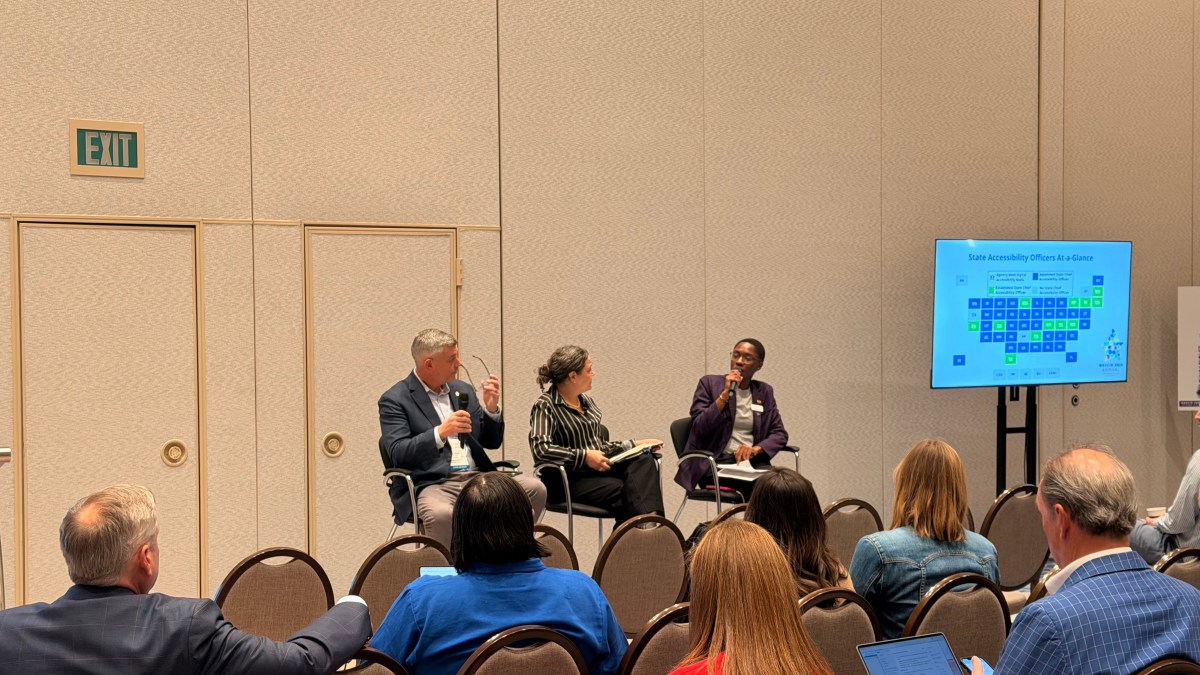
Amid shifting federal deadlines on compliance with digital accessibility standards and gaps across funding and accessibility leadership models, state officials say governments should still treat the matter as high risk and high priority.
Accessibility appeared for the first time on NASCIO’s top 10 priorities list last year at spot 10 and was a central theme throughout last year’s annual conference. This year it moved up to number six on the 2026 State CIO Top 10, indicating its growing influence on state digital operations. The topic also garnered several mentions in the State CIO Survey, which found that though many states now have a chief accessibility officer, 46% still don’t.
Additionally, the extension of the Department of Justice (DOJ) final rule under Title II of the Americans with Disabilities Act — which requires that states and large local governments ensure their mobile apps are digitally accessible — may have decreased urgency and momentum to build out formal leadership and compliance in the space, the survey found.
The delay shifted the compliance deadline a year to the right, and now it goes into effect on April 26, 2027. But some states still don’t have a formal, centralized policy around accessibility, and 67% of states lack dedicated funding for accessibility.
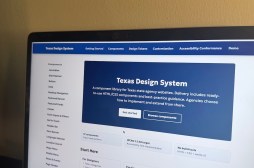
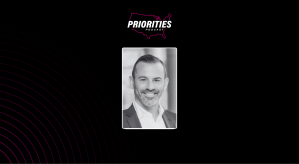
Marie Cohan, the statewide digital accessibility officer of Texas, said during a panel at the NASCIO Annual Conference in San Diego that despite the added time, accessibility in government shouldn’t be treated as just a technical compliance milestone.
“I think having [the chief accessibility officer role] written into some kind of policy, ideally some statute, helps a couple things. One, it keeps the program thriving in the future, right? It’s not just a blip, it’s written into policy that digital accessibility has some chance of survival,” Cohan said. “And then, two, whether you’re a centralized government or federated government in your state, having that centralized focus on digital accessibility helps push down a consistent message throughout the state to all of your agencies, higher ed, whoever is mandated to follow that policy.”
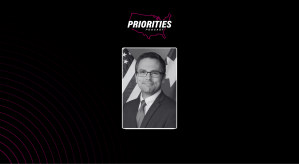
Kris Adams, chief accessibility officer of Pennsylvania, said during the panel that having a dedicated chief accessibility officer or similar leadership role also helps to get accessibility into the process earlier and to avoid unnecessary remediation.
“It allows us to help incorporate accessibility in the software development lifecycle, which is an important way to get the shiplap in the beginning of how we develop products and give us an opportunity. Then, as Marie said, be that simple expert and start to scale accessibility around the enterprise,” Adams added.
Remediation is a common issue. The top two areas of non-compliance with the DOJ Final Rule, according to the results of NASCIO’s survey earlier this year of state accessibility officers, are document remediation and remediating high-traffic systems, with 75% of respondents selecting those two areas as top challenges.
But this remediation is necessary, though deciding where to start can often be a challenge. Both Adams and Cohan said to start with the areas that present the highest risk.
“I look at accessibility the same way that our [chief information security officer] looks at security, right? It’s all about risk, and you have to prioritize that risk. What Marie said: the highest traffic, highest impact are your highest risks, right?” Adams said.
Additionally, rather than treating accessibility as just a compliance benchmark, both Adams and Cohan said it should be treated as a core capability. Delays do not erase the underlying civil rights obligations or existing laws, especially because inaccessible services can still leave residents unable to participate in government fully.
“We’re never going to be 100% accessible, right?” Cohan said. “This is going to be an ongoing component of developing technology, just like building in security in our technology products, building in privacy controls. Accessibility is right there with it.”