Water utility cyber upgrades, digital literacy among Florida budget cuts
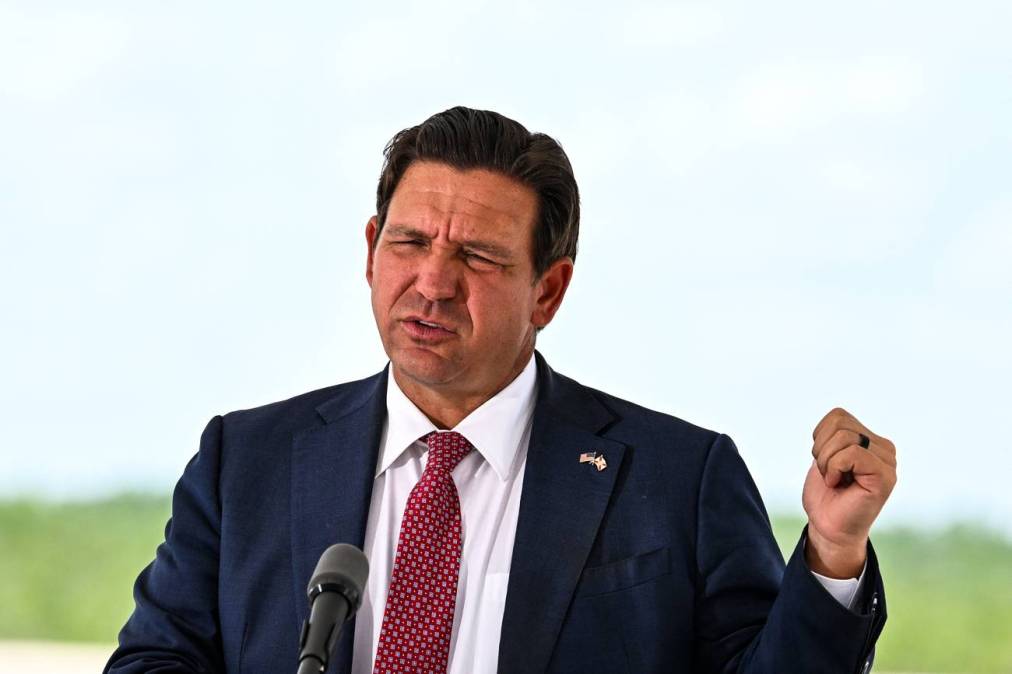
Florida Gov. Ron DeSantis on Monday signed the state’s $117.6 billion budget, after vetoing $1.6 billion in expenditures that had been approved by the legislature, including $810 million in line-item vetoes. Some of the cuts include major technology upgrades that would have been implemented around the state.
The governor’s office on Monday boasted of approving, for the fourth consecutive year, a budget that reduces state spending. The administration said the budget was a demonstration of how “conservative governance can simultaneously reduce the size of government, pay down debt, build record reserves, lower taxes, and make historic investments in Florida’s future.” His office boasted of a rainy-day fund that has been maxed out, at $5 billion. (DeSantis blocked an additional $750 million the legislature would have added, along with an expansion to the maximum size of the state’s fiscal cushion.)
DeSantis, who will be term-limited out of office next January, also boasted of his support of Florida’s education programs, public safety and infrastructure. The budget, which will become active Wednesday, includes $1.56 billion for salary increases for teachers, $1.65 billion for early childhood education and $1.8 billion for the state’s college system. The budget funds law enforcement and other public safety projects, but it also cut numerous public safety programs, including a $91.5 million pay boost for correctional officers, along with numerous technology programs.
Among the vetoed technology initiatives was Florida Rural Digital Literacy, a $1.5 million program that would have provided AI and computer education to students in rural and low-income areas. The cut mirrors cuts made by Trump’s White House, which nixed a $2.75 billion digital literacy initiative that had been approved as part of a Biden-era infrastructure package.
DeSantis vetoed a nearly $1.7 million project that would have added cybersecurity protections to a water utility network in Palm Bay. The Environmental Protection Agency warned in 2024 that hundreds of the nation’s water utilities were exposed to vulnerabilities, and since then progress to remedy those vulnerabilities has been slow. New York this year instated new regulations for its water and wastewater utilities, in the hopes of eliminating risky cybersecurity vulnerabilities, but the state is an outlier for having crafted such thorough governance.
Florida’s budget cuts included a $750,000 program for an “intelligent” transportation system that would have included automated and interconnected traffic infrastructure. Also cut was a $15,000 project to deploy an AI-powered firearm detection system in Franklin County, a tiny community in the state’s panhandle. The system would have come from a company called ZeroEyes, whose marketing and lobbying practices have been highlighted by this publication.