New Jersey launches digital public health hub ahead of 2026 FIFA World Cup
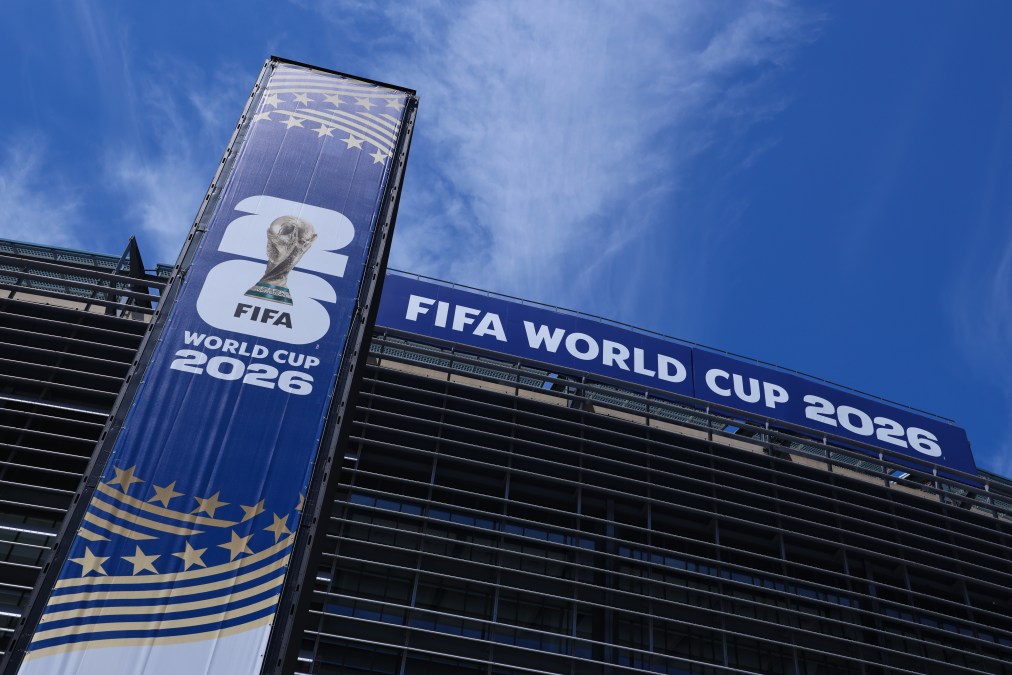
As New Jersey prepares to host the 2026 FIFA World Cup Final and seven additional matches at MetLife Stadium in East Rutherford this summer, state health officials this week launched a new digital resource hub aimed at helping residents, visitors and healthcare providers navigate public health challenges associated with one of the world’s largest sporting events.
The state’s Department of Health on Tuesday unveiled the World Cup 2026 Health Hub, an online portal that provides guidance on heat and sun safety, air quality, food safety, infectious diseases, mosquito and tick-borne illnesses, emergency medical services, and other health concerns that could arise during the monthlong tournament. The site also includes information for international visitors seeking healthcare in the U.S., along with surveillance and training resources for healthcare professionals.
“We’re proud to welcome the world to New Jersey this summer, and we want every fan, visitor, and resident to have a safe and healthy experience,” Dr. Raynard E. Washington, New Jersey’s health commissioner, said in a statement. “NJDOH and its partners have rigorously planned and prepared for every potential public health challenge. This hub ensures that people have the information they need, when they need.”
New Jersey’s new public health hub reflects the increasingly technology-driven approach host states and cities are taking for World Cup preparations, such as building digital infrastructure, strengthening cybersecurity capabilities and shoring up emergency communications systems ahead of the tournament.
FIFA estimates total tournament attendance to reach between 5 million and 6.5 million spectators across the 104 matches hosted in the U.S., Mexico, and Canada — though high ticket prices and unsold seats in certain markets have sparked debate over empty-seat risks.
In Texas, the City of Dallas recently launched a multilingual information portal with real-time updates on transportation, public safety, traffic conditions and visitor services during the games. Meanwhile, Kansas City officials have deployed mobile command centers, drone technology and enhanced communications tools to support public safety operations during World Cup events.
New Jersey’s effort places a particular emphasis on public health readiness. According to state officials, the department has been planning since early 2025 and will coordinate statewide health and medical operations during the tournament.
The health hub also integrates with the state’s emergency notification platform, allowing officials to distribute real-time alerts and safety information as hundreds of thousands of fans travel to MetLife Stadium and other World Cup-related events throughout the region.