HHS offers states $6M for predictive child welfare systems
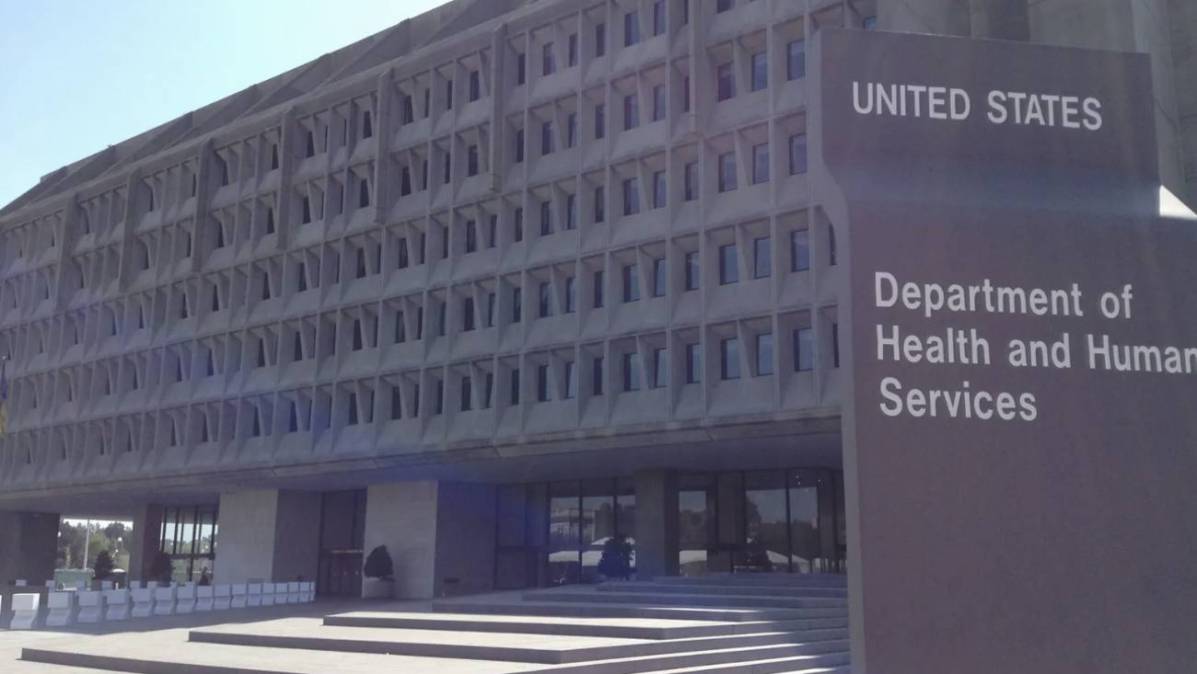
The Department of Health and Human Services is investing $6 million to help states, territories and tribal governments pilot predictive analytics tools in child welfare systems, marking the latest federal push to modernize how agencies support children and families in need.
The funding opportunity, announced by the Administration for Children and Families on Thursday, will help agencies implement predictive risk modeling technologies designed to help caseworkers make faster and more informed decisions about child safety. According to ACF, the grants will also help train staff on responsible use of the technology, establish governance and evaluate outcomes.
In a March report, the administration found these tools can help reduce unnecessary placements in foster care by identifying lower-risk situations in which families can safely remain together, while also flagging higher-risk cases that require immediate intervention.
“Child welfare caseworkers are tasked with making high-stakes decisions about child safety, often under significant pressure and without complete information,” Alex Adams, the department’s assistant secretary for family support, said in a press release, adding that the grants aim to help scale technologies that have already shown promise at the local level. Allegheny County, Pennsylvania’s human services agency, for instance, began using predictive risk models in 2016 to inform high-stakes decisions, such as whether to investigate cases of potential child abuse or neglect.
According to a 2025 report by the National Association of Counties, local child welfare systems are challenged by outdated technology and fragmented case management tools. The association found that counties consistently report that aging systems and outdated data infrastructure slow caseworkers, frustrate users and eat into time staff could be spending helping children and families.
ACF’s announcement builds on the administration’s efforts in recent months to push state agencies to modernize their child welfare IT systems. This includes the “A Home for Every Child,” initiative launched last year. It’s designed to ensure that one foster home is available for each child in foster care, through system upgrades, reducing unnecessary placements and connecting more vulnerable families with government services. Twenty states have joined the initiative, including Alabama, Missouri and, most recently, Texas.
ACF this month announced the “A Home for Every Child Innovation Challenge” a nationwide $7 million prize competition to reward and accelerate state innovation tied to improved child welfare outcomes. The administration in April launched a new map to help states move faster on their child welfare prevention plans and possibly learn from each other in the process.