FCC votes to create E-Rate bidding portal for schools and libraries, against their wishes
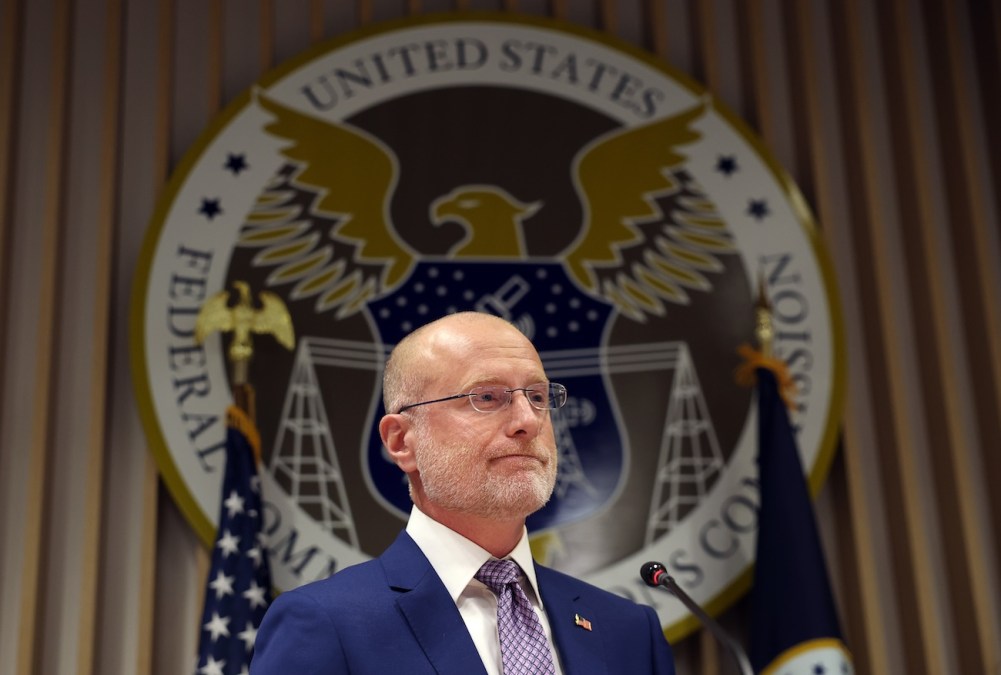
During the Federal Communications Commission’s April open meeting on Thursday, its members voted in favor of establishing a new, online competitive bidding portal for schools and libraries participating in the E-Rate broadband subsidy program.
The FCC proposed the E-Rate online competitive bidding portal in its April 9 draft report and order, following efforts across the government to reduce waste, fraud and abuse in federal programs. Intended to help to verify the fairness of the process, increase transparency and bolster integrity, the portal will allow internet service providers to upload their bids electronically instead of submitting them directly to schools or libraries.
A number of schools, library and internet service provider groups have voiced opposition to the portal, claiming it would be burdensome on the same groups the program intends to benefit.
The E-Rate subsidy program, which helps to provide affordable broadband and communication services to schools and libraries nationwide, is the largest federal educational technology program. Like other federal programs recently, E-Rate has faced scrutiny from the Trump administration, and the FCC. However, a January report from the Government Accountability Office, that outlined nine key requirements and best practices for detecting and preventing waste, fraud and abuse, found that E-Rate was the only program, of five reviewed, that met all nine requirements.
During the meeting, Commissioner Anna Gomez and Commissioner Olivia Trusty both vocalized support for the portal’s ability to strengthen oversight of the program, though Gomez said she was wary of the risks associated with imposing such a system on small, rural, tribal or under-resourced E-Rate applicants or beneficiaries. Gomez also pointed out that the portal, as proposed, goes beyond what the Inspector General recommended in 2017, which she said “merely called for the creation of a simple bid repository.” Gomez approved in part and dissented in part, adding that the portal’s success will rely on close monitoring, robust training and rapid fixes if problems arise.
Trusty also approved the measure, adding that she believes the portal strikes the right balance between integrity and burden. She also pointed out a few things she said will be necessary for the program’s success following the institution of the portal: built-in stakeholder input before the system becomes mandatory, flexibility to adjust and clarify rules following on real-world deployment, and recognizing that there might be a learning curve, especially for small and rural participants.
“Several state and local governments have implemented similar systems to advance their own procurement objectives, drawing on those experiences,” Trusty said during the meeting. “This portal is designed to reflect the specific oversight needs of the E-Rate program, while promoting greater transparency and consistency in federal oversight of the bidding process. The details of implementation and enforcement will be critical to the portals success.”
Brendan Carr, the FCC’s chair, voted in favor of the portal’s creation. Before voting he said that the move was to “safeguard E-Rate from waste, fraud and abuse.” However, as Gomez pointed out her comments, the program has recently demonstrated strong compliance. The program’s improper payment error rate dropped from 1.59% to 1.27% in 2024, below the program’s 1.5% statutory threshold.
“The FCC’s E-Rate program has played an important role in helping to close the digital divide by ensuring that school libraries have access to affordable Internet services. To ensure the program’s continued success, we must be good stewards of these taxpayer dollars and safeguard E-Rate from waste, fraud and abuse,” Carr continued. “Today, we finally act on those warnings and the Inspector General’s recommendation. We do so bringing much needed transparency to the E-Rate bidding process. Instead of continuing to rely on self certifications, we can rely on verifiable data. And instead of allowing the bidding process to largely happen in the dark, we are bringing light to the back and forth engagement that happens between providers, participants, and other engaged stakeholders.”
Thursday’s vote came despite opposition from numerous schools, libraries, service providers and education leaders. In the week leading up to the vote, the Schools, Health & Libraries Broadband Coalition led a group of more than 80 organizations in sending a letter to the FCC urging the commission to reject the portal.
On Thursday, SHLB, along with the Consortium for School Networking, American Library Association and the School Superintendents Association, expressed their disappointment with the vote, adding that their concerns include potential conflicts between the portal’s framework and state and local procurement requirements, the costs of creating and managing the portal and the risk of undermining ongoing efforts to streamline the E-Rate program.
“ALA is disappointed that the commissioners have come to a rushed decision to add a layer of bureaucracy to a program that does so much good,” Sam Helmick, president of ALA, said in an emailed statement. “E-Rate is a proven cornerstone of broadband access, with overwhelming support from libraries, schools, and state and local leaders who rely on it every day. For years, ALA has worked closely with the FCC to reduce applicant burden and streamline participation. The new portal threatens to undermine that progress and create confusion for applicants. ALA will press the FCC to correct course and ensure libraries can continue accessing E‑Rate funds without disruption so they can deliver essential connectivity to their communities.”