Federal court dismisses DOJ lawsuit seeking California’s unredacted voter rolls
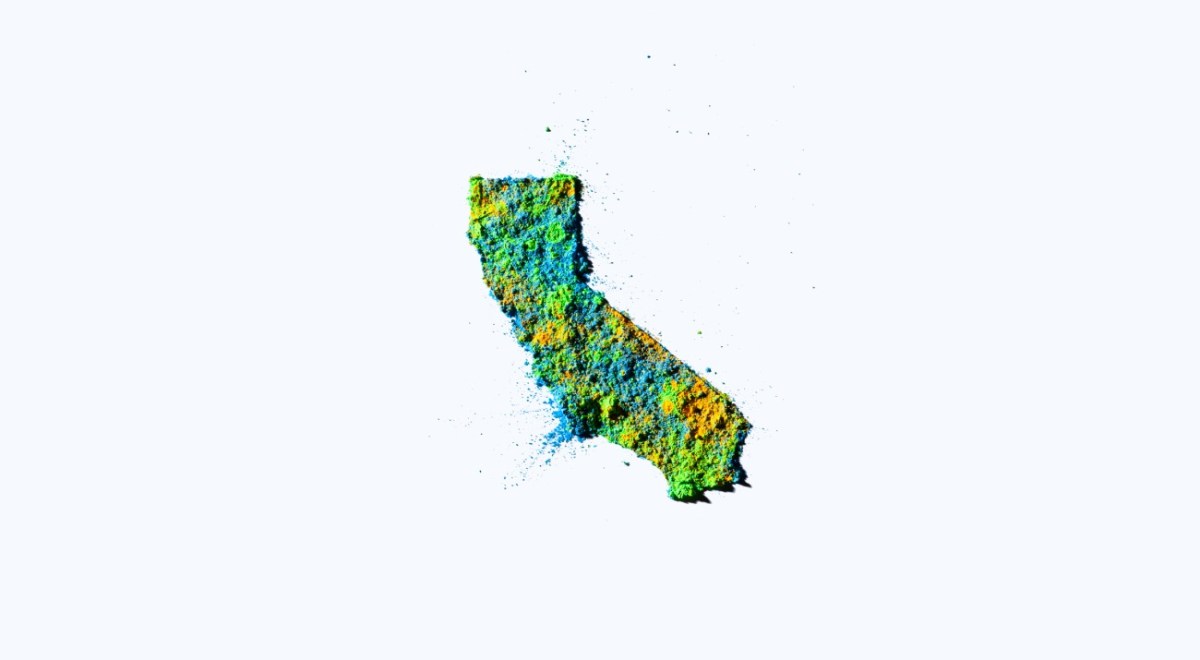
California is not required to turn over its full voter registration list to the federal government, after a federal judge on Thursday granted a motion to dismiss a Department of Justice lawsuit filed last September.
In his ruling, district judge David O. Carter said he was unpersuaded by the DOJ’s attempts to use provisions of the Help America Vote Act and the Civil Rights Act to force the state to share entire unredacted voter rolls containing the sensitive personal information of millions of residents. Carter said the DOJ’s attempt to use Title III of the Civil Rights Act, which was passed in the Jim Crow era in response to efforts to suppress Black Americans from voting, “lacked depth” and was “contrived.”
DOJ argued that its request for the data, including addresses, full names, partial Social Security numbers and driver’s license numbers, was to enforce compliance with the National Voter Registration Act. But Carter wrote in his order that even if Title III had been intended as a mechanism for such enforcement, which it was not, the DOJ did not explain why it would need full, unredacted voter rolls to enforce compliance with the NVRA.
Carter also pointed out the “longstanding precedent” for the entitlement of states to redact sensitive data from their voter rolls, including Project Vote/Voting for Am., Inc. v. Long and True the Vote v. Hosemann.
California privacy laws, he continued, are not preempted by the NVRA, and DOJ’s demand for state voter rolls violates “a plethora” of federal privacy laws, including the Privacy Act, E-Government Act and Driver’s Privacy Protection Act.
“The taking of democracy does not occur in one fell swoop; it is chipped away piece-by-piece until there is nothing left,” Carter wrote. “The case before the Court is one of these cuts that imperils all Americans. The erosion of privacy and rolling back of voting rights is a decision for open and public debate within the Legislative Branch, not the Executive.”
He continued: “Fundamental privacy and voting rights must be subjected to the crucible of public debate through the Legislative Branch of the American government. It cannot be the product of an executive fiat.”
At least one purported reason for gathering state voter rolls is to identify noncitizens who’ve either registered to vote or actually voted in elections. Alabama Secretary of State Wes Allen last week claimed to have found 186 noncitizens who are registered to vote in his state, along with 25 who illegally voted in Alabama elections, though numerous critics of his methods are uncertain his data is accurate.
The dismissal of United States v. Weber followed intervention by the League of Women Voters of California, represented by several branches of the American Civil Liberties Union. In a statement Thursday, the groups said the ruling laid bare the DOJ’s “illegal federal overreach.”
“Voters should never have to choose between their privacy and their fundamental right to vote,” the ACLU statement reads. “States must retain authority to manage elections in ways that safeguard sensitive information, and federal agencies must respect the limits on their power. Today’s ruling affirms that the federal government is not entitled to unfettered access to private voter data.”