Pennsylvania law allows Turnpike to share vehicle data during missing-persons alerts
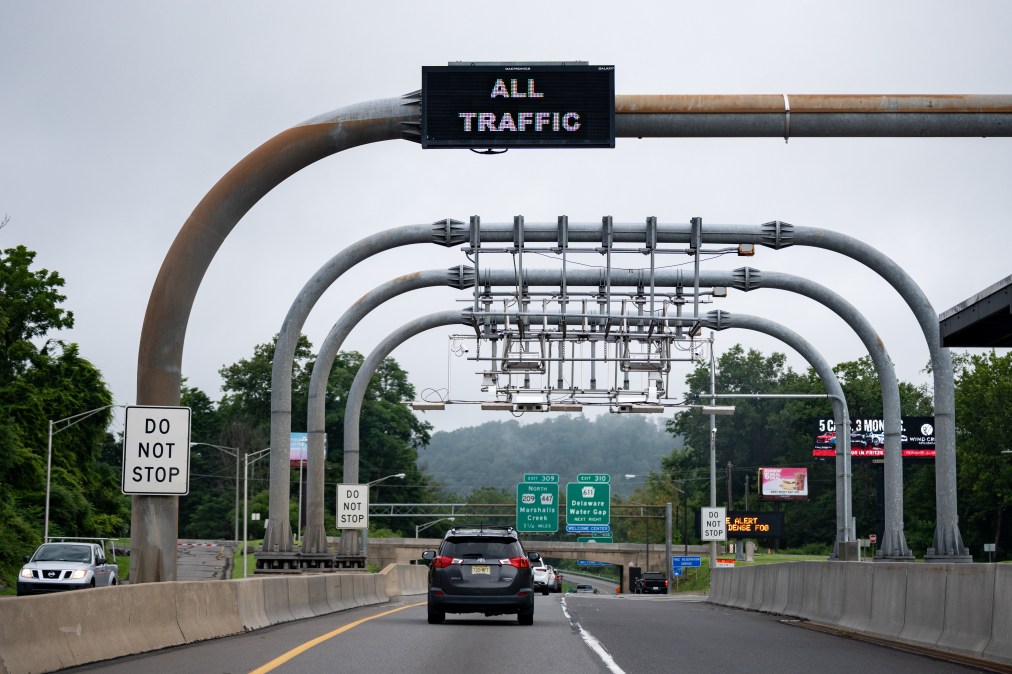
Pennsylvania Gov. Josh Shapiro signed legislation Monday allowing the state’s Turnpike Commission to share vehicle movement information — collected through its electronic tolling system — with law enforcement during missing-persons investigations.
Senate Bill 1273 creates an exception to existing privacy protections for electronic toll collection data. The law allows the commission to provide information about vehicles identified in alerts issued through Pennsylvania’s AMBER Alert System or Missing Endangered Person Advisory System.
Automated tolling systems can collect information about when and where vehicles travel, potentially helping authorities track a vehicle connected to an active alert. Under the law, which takes effect 60 days after enactment, the information must be reasonably limited and used solely to help recover abducted children or missing people who face special risk of harm or injury.
“Our law enforcement officers need every available tool when responding to a missing person case,” Republican state Sen. Camera Bartolotta, the legislation’s primary sponsor, said in a statement last week. “This bill provides greater clarity and strengthens coordination between agencies so critical information can be shared quickly when every minute counts.”
Before the change, Pennsylvania law generally restricted how the Turnpike Commission could share electronic toll collection information, including vehicle movement records.
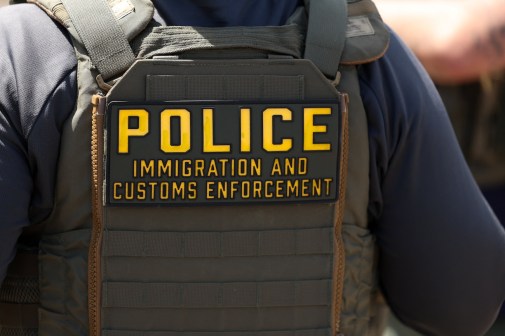
The law also comes amid broader questions about how state governments share sensitive information with federal law enforcement agencies, including U.S. Immigration and Customs Enforcement.
A recent StateScoop investigation found that ICE and other federal immigration agencies continue to access state vehicle and driver information through several channels, including state databases and Nlets, an interstate network used by law enforcement agencies to exchange information. A University of Washington report cited in the coverage found that restrictions adopted by some states have not fully prevented federal immigration agencies from obtaining vehicle and driver records.
Pennsylvania has faced similar scrutiny over its information-sharing arrangements.
The state’s Pennsylvania Justice Network, a law enforcement database that includes information from the Department of Transportation and other state agencies, is accessible to authorized federal law enforcement users, including ICE, according to a February report from Spotlight PA. The reporting also found that Pennsylvania State Police policies limit immigration enforcement activities but do not entirely prohibit officers from sharing information with federal immigration authorities.
Those arrangements have raised concerns among immigrants rights’ advocates about how information originally collected for public safety or administrative purposes can be used for immigration enforcement. ICE does not run or issue AMBER Alerts or general missing person alerts, which are handled by local, state or tribal law enforcement agencies.
Pennsylvania allows ICE to access certain information through its law enforcement data database, but there is no evidence that the Turnpike Commission shares tolling data with the agency under this new law.
“The Commission has no data-sharing agreements with federal agencies,” Marissa Orbanek, press secretary for the commission, told StateScoop in an emailed statement. “This law is to support Pennsylvania State Police when it issues an alert through the Pennsylvania Amber Alert System or the Missing Endangered Person Advisory System. The Commission can provide relevant information only while the alert is active.”