Federal grants target fingerprinting, licensing upgrades in child welfare systems
The Administration for Children and Families is putting $2.2 million in grants toward modernizing the technology that states and tribal governments use to license foster families and conduct required background checks.
Fourteen jurisdictions across the U.S. will receive between $54,000 and $200,000 through ACF’s Licensing Infrastructure Modernization for Child Welfare program to help replace outdated fingerprinting equipment, improve background-check systems and train workers on new technology and processes.
The goal, according to ACF Assistant Secretary Alex Adams, is to make it easier and faster for qualified foster and kinship caregivers to become licensed, potentially reducing delays in placing children in safe homes.
“Across the country, outdated equipment and technology, along with inefficient systems, have slowed required background checks during the placement process,” Adams said in the Thursday announcement. “These barriers can hold up the approval of qualified kin, foster families, and prospective adoptive parents — making it harder for children to be placed quickly in safe and loving homes.”
The grants are part of the federal agency’s broader Home for Every Child initiative, which uses technology and data to increase the number of available foster homes. State and local child welfare agencies are encouraged through the initiative to replace aging case management platforms with cloud technologies that support better data analytics and reduce administrative burdens on caseworkers. All 50 states, Washington, D.C., and Puerto Rico have joined the initiative since it launched last October.
The latest awards will go to a select number of states and tribal governments, including Alaska, the District of Colombia, the Eastern Shawnee Tribe of Georgia, the Fort Belknap Indian Community, Oklahoma, Kawerak, Inc., the Knik Tribe, Mississippi, Nebraska, Oregon, Vermont, Utah, Washington, and Wyoming.
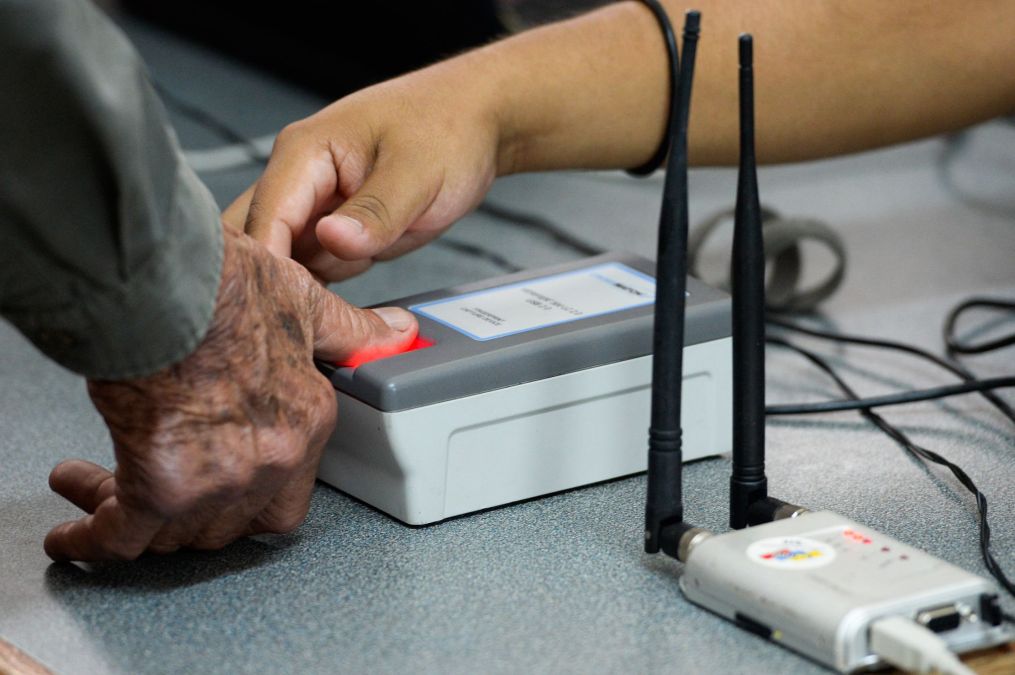
According to the announcement, recipients will use the grants to assess gaps in their existing systems and deploy compliant fingerprinting technology, which uses inkless, digital live-scan systems that meet strict FBI and state quality standards for capturing and transmitting biometric data. Recipients will also use the money to establish performance measures and develop plans to maintain the licensing upgrades.
“This investment strengthens Alaska’s statewide capacity by bringing modern, mobile fingerprinting tools directly to our state’s rural and remote communities,” Tracy Dompeling, commissioner of the Alaska Department of Family and Community Services, said in a statement. “By reducing delays and expanding access, we are improving outcomes for children and families and advancing our commitment to timely, safe placements.”
The effort comes as states continue to grapple with aging child welfare systems. Arkansas abandoned a $12 million modernization project last year after determining its replacement system could not be completed within its budget, timeline and technical requirements.
ACF has also separately provided $6 million this year for states and tribes to test predictive analytics in child welfare systems.