Industry group urges Congress to fund next-generation 911 upgrades in national parks
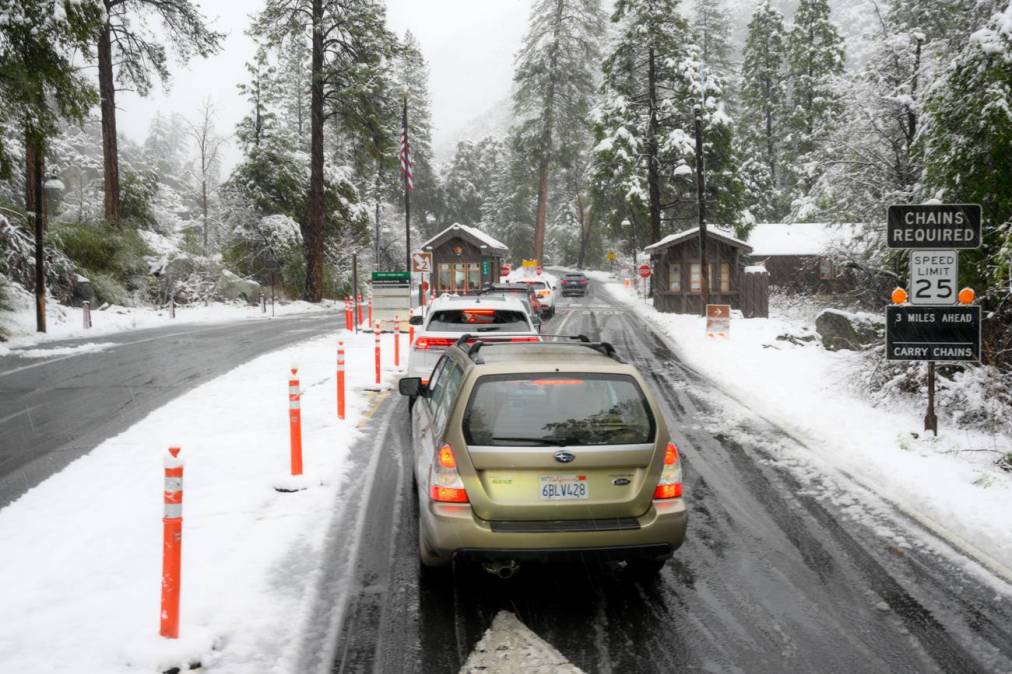
An industry group this week called on Congress to speed up deployment of next-generation 911, warning that outdated emergency systems are ill-equipped to handle modern communications, especially in national parks.
In testimony before the House Natural Resources Subcommittee on Federal Lands, Lee Ann Magoski, president of the National Emergency Number Association, endorsed the Making Public Lands Safer Act, legislation aimed at improving emergency response capabilities for millions of park visitors. If passed, the bill would require the National Parks Service assess its emergency communication systems and create an installation plan to upgrade to modern digital technology.
Magoski highlighted several challenges with aging infrastructure, including its inability to accurately locate callers in remote areas and frequent misrouting of emergency calls to the wrong public safety answering points, delaying response times.
“Our nation’s 911 systems — the critical link in any emergency, whether in a national
park, a private home, or an office — largely run on 1960s copper-wire technology that lacks
interoperability and coordination,” Magoski said. “Next-gen 911 is not a single product, vendor or network, but rather a system of interoperable systems built through cooperation, coordination and open standards.”
She told the committee that advanced 911 capabilities, known as next-generation 911, would allow dispatchers to better pinpoint callers and share critical information with first responders.
“If that PSAP does not have an emergency services [internet protocol] network and other core components of NG911, it cannot seamlessly transfer data to the Park Police PSAP,” Magoski said. “In such cases, the 911 public safety telecommunicator must dial a separate 10-digit number and verbally relay the information, which can cause unacceptable delays in emergency response and reduce field responders’ situational awareness.”
A 2025 report jointly published by NENA and the emergency tech firm Carbyne painted a troubling picture of the nation’s 911 systems, highlighting a growing wave of outages and cyberattacks, along with outdated infrastructure that threatens public safety.
While some regions of the country have made progress towards statewide deployment, national implementation of next generation 911 continues to face challenges, including a lack of dedicated funding or improved mapping standards.
While the Making Public Lands Safer Act focuses on national parks, Magoski also urged lawmakers to pass the Enhancing First Response Act, a bipartisan bill that would reclassify dispatchers as “protective service” workers and mandate the Federal Communications Commission to issue reports on network outages during disasters.
“This reclassification is not separate from NG911,” Magoski said. “The pending legislation emphasizes that our 911 professionals are part of our emergency response network and truly are the nation’s first first responders.”