NYC transit agencies test AI tools to modernize infrastructure, data workflows
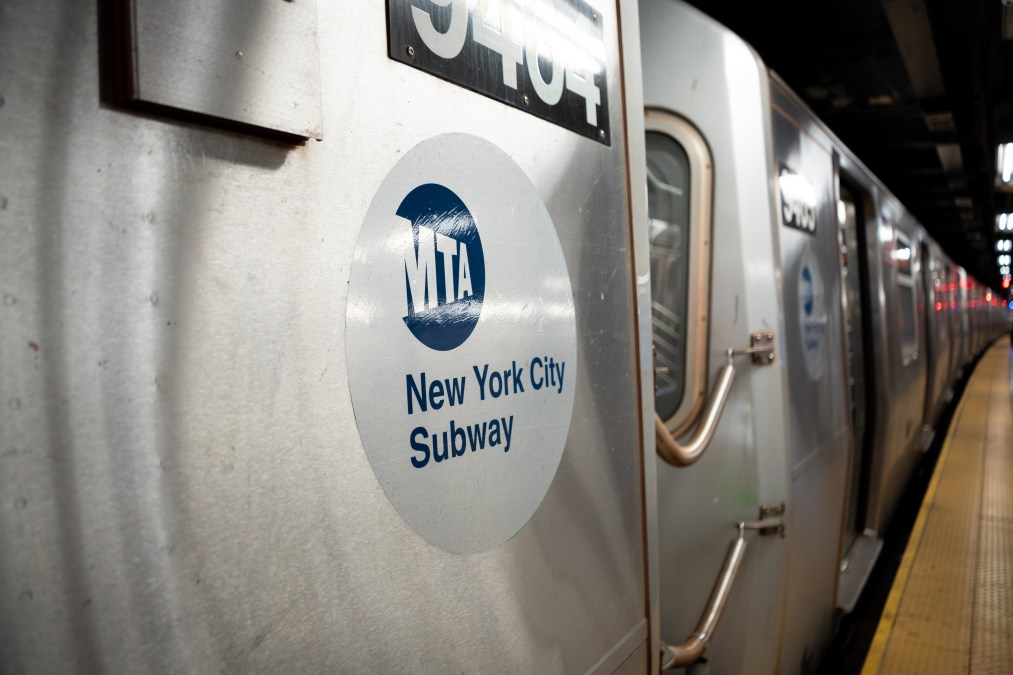
New York-area transit agencies are exploring how artificial intelligence, cameras and motion sensors can help address infrastructure monitoring, bridge safety, construction management and operational resilience, according to a new report from the Transit Tech Lab.
The report, released Monday, details results from eight-week technology tests conducted by 17 companies working with the Metropolitan Transportation Authority and the Port Authority of New York and New Jersey. The cohort completed 20 proof-of-concept projects focused on two challenges: monitoring and maintenance of transit infrastructure and modernizing the data and workflows agencies use to manage daily operations — issues transit leaders say are increasingly critical as aging infrastructure and climate threats strain systems across the region.
“The Transit Tech Lab allows us to explore ways of using private-sector technology to solve public-sector challenges,” Jon Kaufman, MTA chief of strategic initiatives, said in a press release. “These innovative concepts provide new insight into using data to better improve the transit system, including ways to make infrastructure more resilient and the MTA’s operations more efficient.”
The results highlight how transit agencies can use emerging technology to make better use of existing infrastructure and staff, though proof-of-concept projects do not necessarily lead to full deployments.
Among the infrastructure projects, Delphisonic installed sensors on a PATH rail car to collect real-time information about track conditions and identify potential maintenance needs. Dynamic Infrastructure gathered hundreds of images and more than 100 pages of inspection data across subway stations, Port Authority facilities and the World Trade Center — bringing the information into a centralized system to support repair work and capital planning. Its system detected all defects already listed in a PATH inspection report, while assigning different levels of severity in 14% of cases.
Other companies explored ways to identify electrical risks at subway stations, assess infrastructure using aerial imagery and improve maintenance decisions by cleaning and combining agency data.
The workflow projects focused on making information easier to access and reducing time spent on routine tasks. Hazel AI Technologies, for example, used software to help the Long Island Rail Road draft 15 technical scopes of work, reducing drafting time by 40%.
Meanwhile, Ontra Mobility used an AI platform to analyze transit demand and recommend routes and schedules for the LIRR and other wheelchair-accessible New York City transit options. Contextere tested a tool that provides maintenance technicians with plain-language answers and guidance from equipment manuals, service records and other technical documents.
Other projects explored ways to monitor bus-terminal activity in real time, transfer video data more efficiently and detect cybersecurity risks in older transit assets.
“The safe and seamless operation of our seaport, commuter rail, bridges, tunnels, bus terminals, and airport facilities directly impact millions of commuters and travelers across two states and help power a billion-dollar regional economy that is critical to the nation and the entire East Coast,” Rob Galvin, Port Authority’s chief technology officer, said of the initiative. “Nowhere else is this mission more critical than in one of the nation’s busiest and most complex transportation corridors, built on the Port Authority’s infrastructure.”
The Transit Tech Lab, a public-private initiative launched in 2018, connects technology companies with public transportation agencies to test potential solutions against real-world problems before pursuing broader deployments. The program has reviewed more than 1,000 applications and tested more than 80 technologies that led to 16 commercial procurements. Past participants have introduced tools that improved bus route planning, reduced fuel use and made transit systems more accessible to riders with disabilities.