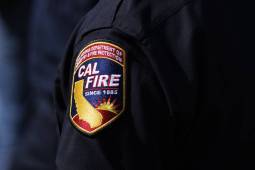
California’s fire protection agency made an AI chatbot. It can’t answer one crucial question
The bot fails at some basic questions about fires. Cal Fire says it is working on fixes.
The bot fails at some basic questions about fires. Cal Fire says it is working on fixes.
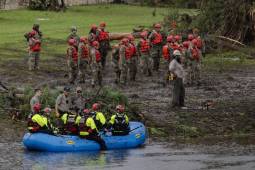
North Dakota, California, and others are sending resources to Texas to aid in the state’s recovery efforts after a catastrophic flood left dozens of people dead or missing.

A report from the Brennan Center for Justice shows that 61% of local election officials are concerned with CISA’s recent scaling back of cybersecurity services.

Last September, North Carolina used a variety of sensors to respond to Hurricane Helene. Could Texas learn from that disaster in the aftermath of its deadly floods?
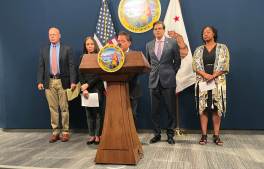
New legislation in California would sets rules for chatbots that are designed as personalized and sometimes emotionally supportive digital friends.

Members of the NAACP Legal Defense Fund, which introduced Connecticut’s voter rights law, said its provisions are greatly needed in 2025.

CalHeatScore is the data-powered tool that’s designed to help local governments and their constituencies better prepare for levels of heat that can become health hazards.

A new union agreement holds that nearly 100,000 California state workers will not have to return to the office for another 12 months.

A report from the R Street Institute examining how police use AI-powered body cameras raises concerns of privacy, racial bias and oversight.

Texas is the first state to fund a “strategic” bitcoin reserve, but its small size and limited uses paint the act as a publicity stunt.
