New government leaders urged to prioritize tech talent as AI, modernization reshape public services
As a new class of elected officials prepares to take office following the 2026 midterms, government technology experts say building stronger in-house technology teams should be among their top priorities.
With artificial intelligence, cybersecurity and major changes to federal benefits programs putting additional pressure on government systems, incoming state and federal leaders will need to recruit experienced technologists and give existing employees the resources to modernize how the government operates, according to Jennifer Anastasoff, executive director of the Tech Talent Project, a nonpartisan, nonprofit organization that helps U.S. federal and state governments recruit technology leaders.
“For so long, folks have looked at technology as the spice on top of the policy, but it’s more like the sheet pan. And if you don’t have a good sheet pan, it’s not going to work.” Anastasoff said in an interview, comparing the previous attitude toward technology as a last-minute addition to government operations or digital services. “There is actually a renewed focus particularly [on] data, technology, AI and trying to understand how we in government use it well.”
Anastasoff, a founding team member of the U.S. Digital Service, said incoming governors — 36 states held gubernatorial elections this year — should prioritize “technology-fluent” leadership across their cabinets, including chief information officers, chief data officers, and potentially chief AI officers.
She said agency leaders don’t necessarily need to be technology experts themselves; they just need enough understanding to make informed decisions and access to trusted advisers who can help.
“Tech-fluent leadership is one of the governor’s most critical roles early on because they are going to help set the trajectory as to what can happen in the first few months of an administration, in the first year of an administration,” Anastasoff explained.
That expertise will become increasingly important as states prepare for new Medicaid and Supplemental Nutrition Assistance Program requirements under H.R. 1, while also managing cybersecurity threats and aging technology infrastructure. The Trump administration recently announced an optional six-month “hold harmless” period through June 30, 2027, allowing states to delay disenrolling or denying Medicaid coverage over new work requirements originally set to take effect on Jan 1.
Tech Talent Project recommends each state needs a dedicated data analyst embedded in state Medicaid agencies to provide consistent, reliable and timely data so beneficiaries don’t lose access and caseworkers don’t get backlogged.
Anastasoff said AI adoption, in particular, requires more than hiring a chief AI officer. She said governments need software engineers, data specialists, product managers and user experience experts who can evaluate whether AI-generated information is accurate and appropriate for public services.
“You need people who have the expertise, especially in government, to get in there and see where [AI] is real confident and real wrong,” she said.
State governments are rapidly creating dedicated leadership roles to oversee artificial intelligence. But many of those officials lack the staffing, funding and authority needed to manage the technology across government agencies, according to a recent report by the National Association of State Chief Information Officers. The report found that while AI oversight has become a priority for state technology offices, establishing an AI leadership position is only the first step.
“When NASCIO first started tracking in 2023, less than 20 percent of states had a state chief artificial intelligence officer or a similar title,” the report states. “Just three years later, at least 46 states have identified at least one person tasked with directing artificial intelligence and by our count 25 states have someone with AI in their title. It seems the role is growing as fast as the technology itself.”
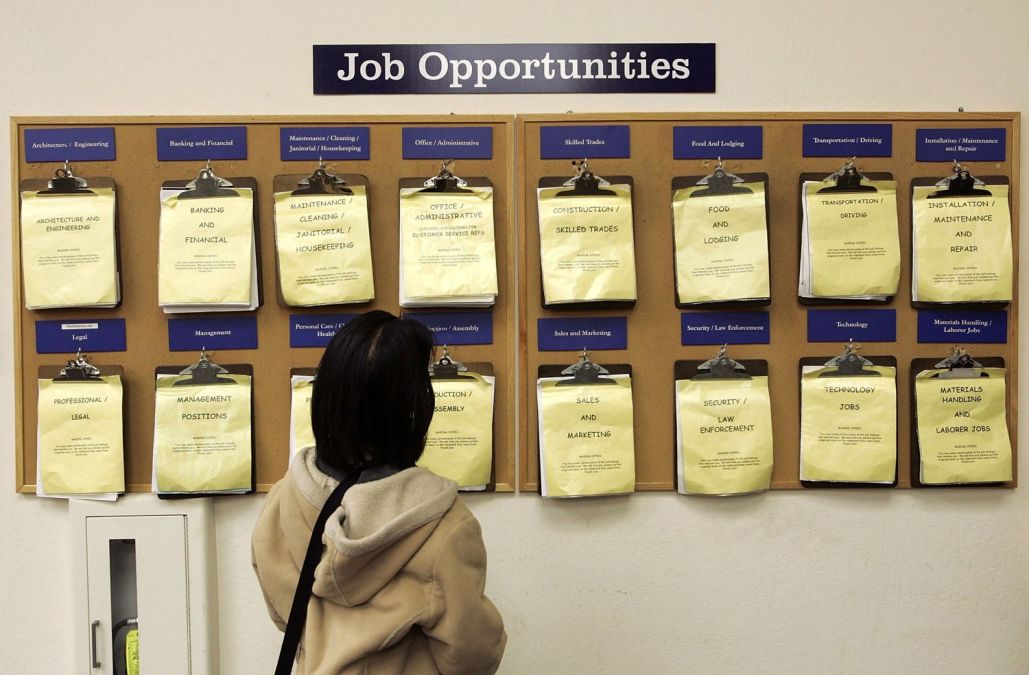
Anastasoff said attracting those workers requires governments to rethink how they recruit. While public-sector salaries may not be able to compete with private industry, she’s found that many technologists are motivated by public service. The bigger challenge, she added, is making sure qualified candidates can find positions and move through the hiring processes quickly.
She urged incoming administrations to review job descriptions, recruitment systems and internal promotion opportunities early in their terms. Without that investment, outdated systems and inefficient processes could continue to burden both government employees and residents who depend on public services.
“We get lots and lots of folks who actually reach out directly and say, ‘I am thinking about government, I want to go into government.’ And the question is, how effectively and how quickly can folks be connected with the right role?” she said.