NYC schools ban student use of generative AI in classrooms through middle school
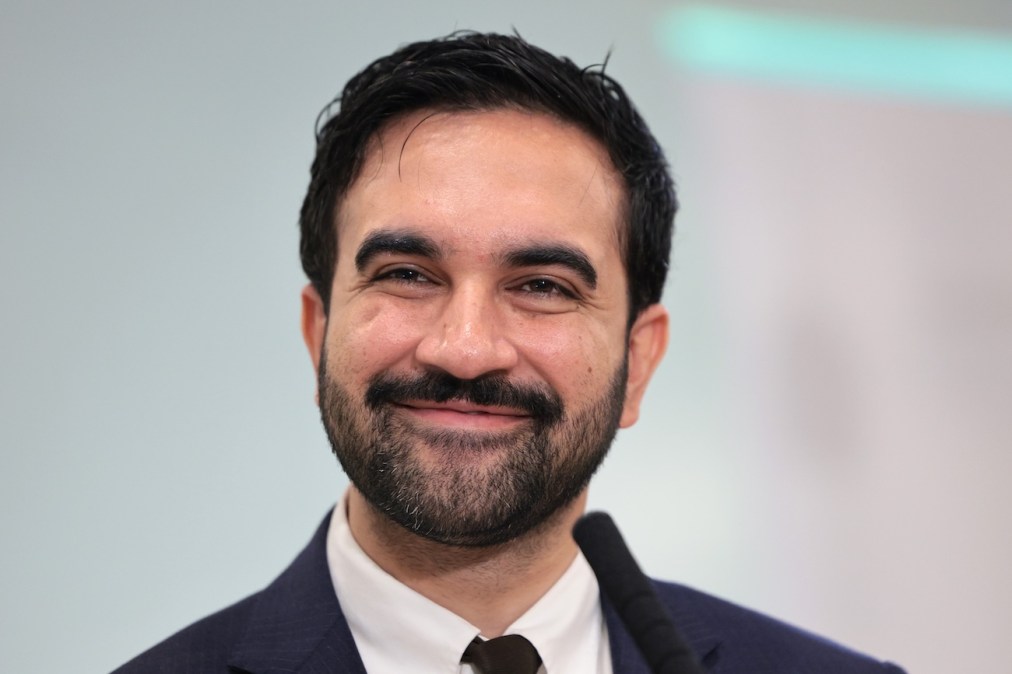
New York City Mayor Zohran Kwame Mamdani and the city’s top education official announced Wednesday a ban on student use of generative artificial intelligence tools in classrooms through middle school.
Unveiled alongside a new screen time policy, the ban will impact almost 600,000 public school students, nearly two-thirds of the total enrollment for the nation’s largest school district. It will last for one year — effective through the current school year — and applies to all student-facing generative AI for children in 2-K through 8th grade.
According to city officials, Mamdani’s moratorium represents “the most expansive student-facing AI moratorium in the nation,” as it includes all software that uses student-facing generative AI and companion chatbots.
“Children need teachers and human connection in order to learn and grow. They need to develop skills alongside their peers, build relationships with educators and wrestle with tough problems on their own,” Mamdani said in a statement. “The tech industry wants us to believe that A.I.-powered early education is not only inevitable, but necessary. We do not see it that way. That’s why we’re implementing a moratorium on generative AI for students in 2-K through 8th grade and spending the next year studying the impacts of this technology.”
Throughout the yearlong moratorium, a new Technology in Schools Coalition — made up of students, educators, parent leaders, elected officials, advocates, union partners and experts in the field — will convene to assess the impact of the ban on AI.
“As Chancellor and as a parent, I believe our job is to protect what makes learning work, while ensuring every child has the critical thinking skills they need before graduating,” New York City Public Schools Chancellor Kamar Samuels said in a news release. “We’re putting guardrails in place to protect the human connection, curiosity and creativity that help children grow. We’re standing firmly in our belief that innovation does not mean more technology, and over the next year, we will lead with evidence to make sure technology serves learning — not the other way around.”
While the ban does not apply to NYC high schoolers, the administration is introducing twice-yearly AI literacy classes for high schoolers, as well as limited AI pilots for a small number of high school classrooms and age-appropriate screen time restrictions.
The limited pilots, which will also be evaluated by the new coalition, will be offered in a maximum of five classes per high school. Officials said all student AI use will take place under the direct supervision of a trained educator and will involve carefully vetted AI tools, including Quill, Edia, Brisk Teaching, Playlab and Intel AI-Ready Schools. The administration said the pilots were selected based on rigorous safety and data privacy standards, their focus on teacher-guided instruction, and their “commitment to keeping students as the primary thinker in the classroom.”
The moratorium does not extend to teachers, who will continue to be permitted to use AI for instructional planning and operational tasks, as long as all tools comply with New York City Public School safety standards.
However, with the new screen time policy, students in 2nd grade or below will see a ban on individual device use and completely restricted screen time. The administration is also providing recommended caps of 30 minutes a day for students in 3rd grade through 5th grade, and 45 minutes for students in 6th grade through 8th grade.
Exceptions to the screen time policy will be granted for assistive technology usage by students with disabilities, multilingual learners and students participating in career readiness programs, like computer science.
The new policy will also see all technology tools used in NYCPS and tech vendors undergo “exhaustive” reviews for how much they contribute to learning and if they meet safety and transparency standards.
New York Gov. Kathy Hochul, who last year implemented a statewide ban on the use of personal cell phones and other internet-enabled devices across K-12 school grounds during the school day, commended Mamdani’s directive.
Jim Steyer, founder and CEO of Common Sense Media, said the ban aligns with his organization’s guidance on AI safety and its impact on learning and development. He also said it sets a beneficial example for other school districts.
“We’re glad to see New York City Public Schools articulating an approach to AI that is aligned with our age and stage guidance for AI learning and development,” Steyer said in an emailed statement. “Across three years of independent AI risk assessments, we’ve found that leading chatbots are not aligned with kids’ safety, learning, and developmental needs. More school districts should engage their communities in conversations about the role of AI technology in learning.”