Democracy nonprofit launches project to aid elections officials on cybersecurity

The nonprofit advocacy group Center for Democracy and Technology on Friday announced a new initiative to provide local elections administrators with additional support as they attempt to defend their infrastructure from cyberattacks.
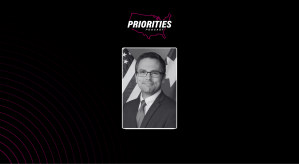
The work is to be led by Geoff Hale, a former election-security associate director at the Cybersecurity and Infrastructure Security Agency. According to the group’s press materials, the new project aims to “strengthen mechanisms that provide timely, actionable research and analysis to support the cybersecurity and resilience of vital election processes.”
Alexandra Reeve Givens, the nonprofit’s president and chief executive, said in a press release that elections officials “deserve top-notch technical support” to protect their systems, particularly when the nation is so contentiously divided along political lines.
The center plans to focus its efforts on “monitoring federal developments in election technology and cybersecurity policy, producing in-depth analysis of emerging issues, developing practical resources for key stakeholders and hosting expert briefings,” according to press materials.
The aid comes as state and local governments find diminished support from the federal government to support their cybersecurity programs. States rely on just $45 million in federal election security grant funding from the Election Assistance Commission, and key programs supporting state and local cybersecurity inside the Cybersecurity and Infrastructure Security Agency continue to shrink.
Arizona Secretary of State Adrian Fontes, who’s warned of election deniers being placed in key administrative positions, is currently backing legislation that would provide his office with additional funding as the federal government pushes greater responsibility onto the states. Fontes also warned this month that both funding and technical assistance for elections continue to hover at lower levels than in past years.
Ahead of the midterm elections in November, the Trump administration, meanwhile, continues to fixate on baseless claims that United States elections are overrun by voter fraud. Kristi Noem, the Department of Homeland Security secretary, on Friday urged Congress to pass the Safeguard American Voter Eligibility, or SAVE, Act, legislation that would require proof of citizenship to vote. When, during a visit to Phoenix, she was asked by reporters to cite a single example of illegal voting by a noncitizen, she was unable to do so, instead reckoning that: “I’m sure there’s many of them.”
Tim Harper, who leads the Center for Democracy and Technology’s elections and democracy project, suggested in a statement that if the DHS secretary wants to strengthen election security, “the most effective step would be to restore the partnerships, cybersecurity funding, and information sharing that officials actually depend on. DHS doesn’t protect elections by attacking election administrators and promoting partisan legislation.”