Invasive frogs and fire ants featured on Hawaii’s new biosecurity dashboard
The Hawaii Department of Agriculture and Biosecurity, responsible for protecting the state’s environment and agriculture, this week unveiled a new biosecurity dashboard designed to help government agencies better track and coordinate efforts against invasive species threatening the islands.
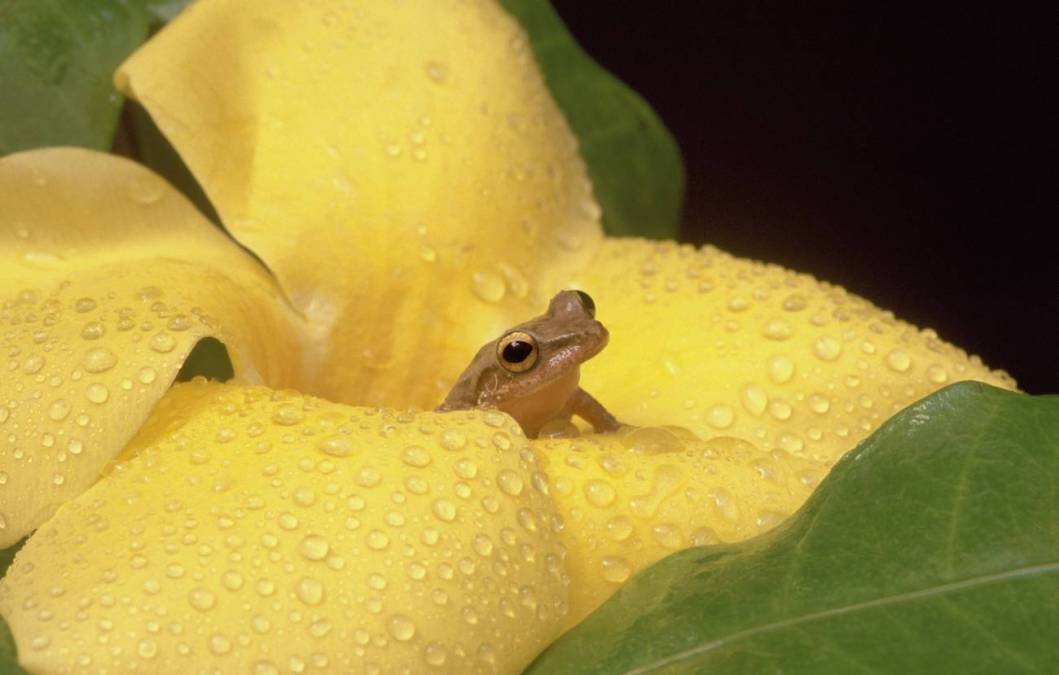
The new dashboard, which brings together data from state departments and community organizations, shows maps and statistics of major invasive concerns, including coconut rhinoceros beetles, coqui frogs, little fire ants and avian influenza.
An invasive species is a non-native plant, animal or organism that spreads rapidly in a new environment and causes harm to the local ecosystem, economy or human health. They disrupt natural habitats by outcompeting native plants and animals for food and space, ultimately destabilizing the ecosystem’s balance.
In July, Gov. Josh Green signed legislation that tasked the biosecurity department with creating a pest dashboard to show what’s being done across the islands to manage invasive threats.
“This invasive species dashboard not only provides important information to the public on invasive species programs but also helps to increase communication and coordination between government agencies and other organizations that have the mutual goal of protecting Hawai‘i’s agriculture and environment,” Sharon Hurd, chairperson of the Hawaii Board of Agriculture and Biosecurity, said in a press release.
The dashboard also shows users where intervention treatment work has occurred, how many samples show infestations and other activity broken down by ZIP code. Residents who spot invasive species can report them through a statewide pest hotline or online, supporting the state’s broader efforts to safeguard its unique ecosystems.
According to the National Conference of State Legislatures, most states have introduced some form of invasive species legislation over the past decade. Several states, including Hawaii, Idaho, Michigan, Minnesota, Montana, Virginia and Washington, have enacted laws that implement checkpoint stations along state borders, create prohibited species lists or ban plant sales.