- Sponsored
- Insights
Securing the source of identity: Why high-assurance proofing matters for vital records
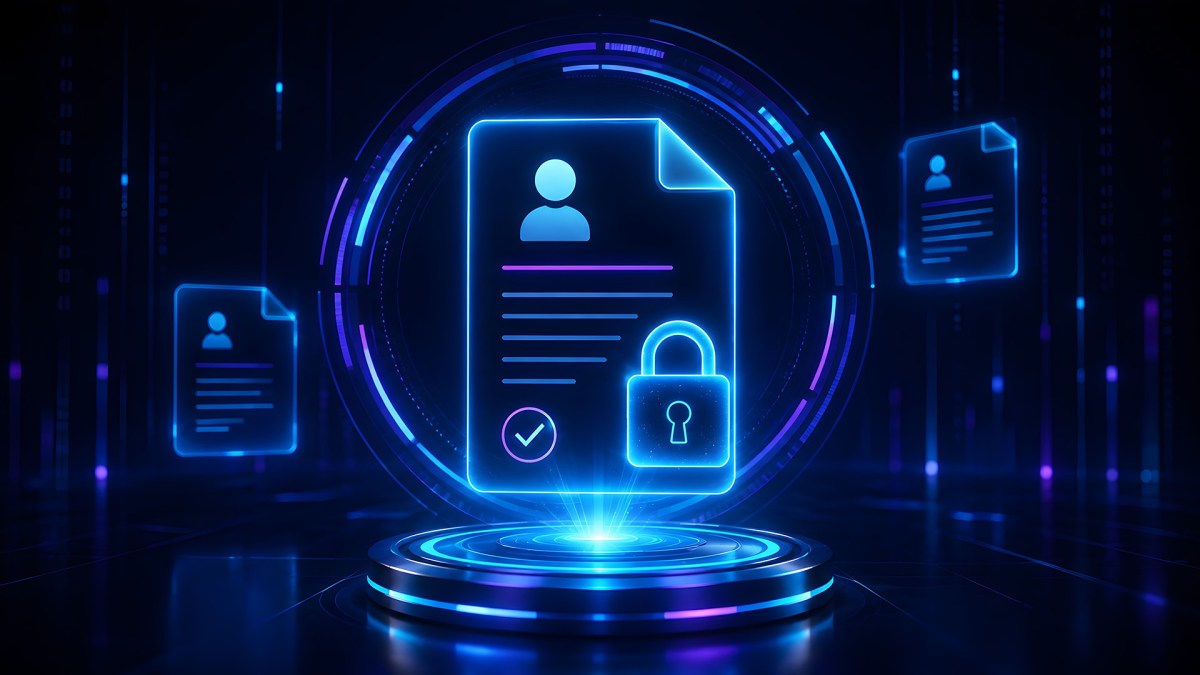
The birth certificate is the most requested type of vital record in the country, and it’s the foundational record used to obtain nearly every other form of identification a person will carry. Social Security cards, driver’s licenses, REAL IDs and U.S. passports are all, at some point, issued on the strength of a birth certificate. If that first document can be forged, altered or fraudulently obtained, the fraud doesn’t stay contained to a single transaction. It cascades into every credential built on top of it.

That’s what separates vital records agencies from most other identity-proofing use cases. State registrars and those who issue certified copies of vital records aren’t just verifying identity; they’re safeguarding the root of it. And they’re doing it while being asked to streamline constituent access, modernize service and operate efficiently with limited staff and resources.
Balancing security and access isn’t a one-time fix. It requires constant recalibration. But that balance is achievable, and high-assurance identity proofing plays an important role in helping agencies get there.
Identity proofing is the force multiplier
At its core, a secure ordering process must answer two questions: Is this person who they claim to be, and are they legally entitled to this record? Agencies remain accountable for both halves of that equation. These are two different questions, and each needs its own safeguards. Identity verification confirms who an applicant is. Eligibility determination establishes whether that applicant has the legal right to a specific record. A process built to answer only one of them leaves the other exposed.
The policies, workflows and eligibility rules that govern access to vital records are essential, and agency staff know those rules better than anyone. Those rules depend on knowing who is actually applying. If someone can convincingly pose as the registrant or a parent, even well-designed rules end up working in the fraudster’s favor. The reverse is also true. A fully verified applicant must still be entitled to the record they’re requesting. That’s why identity proofing is the force multiplier in secure ordering. It strengthens every eligibility decision, but it doesn’t replace one.
Over the last decade, agencies have modernized the way constituents order vital records, and much of that effort has centered on using identity proofing to prevent fraudulent applicants. That foundation creates an opportunity to go further with high-assurance identity proofing, including verification aligned with the National Institute of Standards and Technology’s Identity Assurance Level 2 (IAL2). Higher-assurance proofing gives staff stronger evidence and more consistent decision support against today’s more sophisticated fraud attempts.
Fraud follows the path of least resistance
That added protection may have started with online ordering, but it can’t stop there. Fraud tends to shift toward whichever channel offers the least resistance. Online orders are easy to target at scale, but it’s worth shoring up in-person ordering, too.
Checking ID at a service counter is a great starting point, and registrars are already asking themselves the tougher questions. Does a visual inspection really prove that the ID a person is holding is genuine and not manufactured? Can staff know whether it has already been flagged for fraudulent use elsewhere?
Bringing identity proofing technology into that process doesn’t replace staff judgment. It gives staff more room to focus on what they do best: making sure only someone who’s entitled to the record walks away with a certificate in hand.
Security and access aren’t a tradeoff
Raising the bar on identity proofing naturally raises a fair question: Will it make the process harder for people who are legitimately entitled to a record? It’s a real concern.
But friction isn’t an inevitable tradeoff of stronger verification. It’s a byproduct of how that verification is implemented. The agencies that get this right pair high-assurance identity proofing with eligibility rules and workflow design that absorb the added rigor, so legitimate applicants encounter minimal additional friction while fraudulent attempts are more likely to be identified and stopped. Flexible verification for routine requests, high-assurance proofing for higher-risk transactions and clear exception handling for cases that fall outside standard rules all keep the process workable.
Layers are stronger together
High-assurance identity proofing is most effective as one part of a layered, integrated ordering model that brings together flexible identity verification, high-assurance proofing, eligibility validation, exception management and constituent support. Gaps between these capabilities, not weaknesses within any single one, are often where risk concentrates.
Modernization should also be judged by the outcomes that matter most to agencies and constituents: less fraud, higher legitimate order completion rates, less manual processing, stronger compliance and more confidence in issuance. That, not how sophisticated the underlying technology is, should anchor any evaluation of new tools or vendors.
Taking a fresh look at trusted ordering
Fraud attacks will continue, and they’ll come from where agencies least expect them. The balance between security and access isn’t out of reach. It’s achievable with today’s technology.
The agencies that get this balance right will be the ones constituents trust with the one document everything else is built on. Now is the time to take a fresh look at how your agency’s ordering and issuance model measures up, and how well it answers both questions: who is applying, and whether they’re entitled to the record.
About VitalChek
VitalChek, part of LexisNexis Risk Solutions, built its ordering platform around this integrated model. Solutions like EssentialID, with Kantara-certified identity verification built directly in, are designed to work with an agency’s existing processes while adapting as fraud tactics and constituent expectations change.
Learn how VitalChek and LexisNexis Risk Solutions help agencies strengthen identity proofing and balance security with access in vital records ordering.