Modernizing SNAP starts with better data
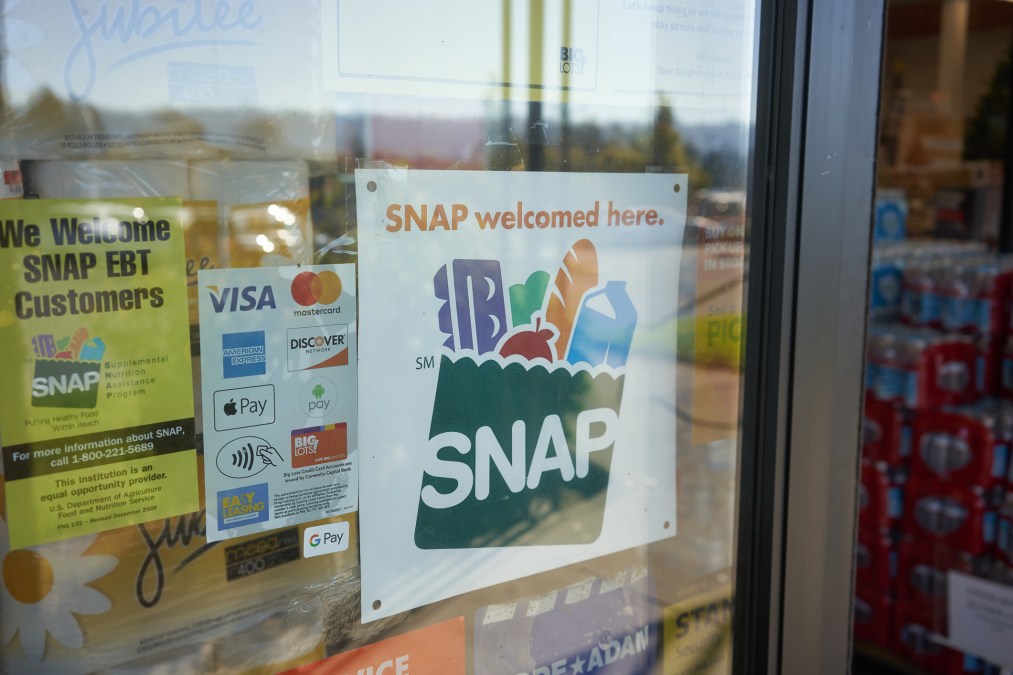
With more than 40 million Americans relying on the Supplemental Nutrition Assistance Program (SNAP), state governments have a critical role in providing timely and accurate benefits. Eligibility is based on information such as income, citizenship status, assets and household composition, which is often pulled from different agencies that use siloed systems and data standards.
When outdated systems and inconsistent data practices make it difficult to verify eligibility or process applications, constituents can face delays in receiving the assistance they depend on to meet basic needs. These barriers can be especially harmful for families experiencing financial hardship, creating added stress and uncertainty at a time when support is most urgently needed.
States will now start bearing the cost of these data inconsistencies as well, as federal legislation ties state funding obligations directly to payment error rates. Starting next year, states maintaining SNAP error rates below 6% will retain full federal funding, while those exceeding this threshold must begin covering a portion of benefit costs previously covered by the federal government—a financial obligation that can reach hundreds of millions of dollars for states. This policy shift converts data quality from a service imperative into a fiscal one.
When data is collected and maintained differently across systems, agencies must spend more time reconciling records, which increases administrative burden and the risk of inconsistencies and errors. Modernizing SNAP, therefore, is not about collecting more data, but about making the data states already have work better together.
Data interoperability is the missing piece
Disconnected data systems are more than an inconvenience; they force agencies to reconcile information that may describe the same person or data differently. A Social Security number, for example, may be formatted differently from one system to another. Agencies may gather the same details yet use different terms for identical data fields. These inconsistencies make it difficult to tell if records refer to the same person and can increase duplicate entries.
Data interoperability can help address these challenges, but it goes beyond connecting disparate systems. Interoperability enables systems to interpret and exchange information despite differences in data formats and definitions. It can also help break down data silos, making identity verification more efficient. A master person index, for example, can help agencies determine when records or documents across systems belong to the same person, creating a more reliable, unified view of their information across programs.
With this foundation in place, agencies can spend less time manually reconciling information and create new opportunities to automate processes and use data more efficiently.
Modern data architecture provides states with more options
Historically, improving interoperability often meant standardizing data and systems across agencies. Today, states have more options to connect systems while preserving the flexibility of existing environments. A data mesh, for example, allows individual teams greater ownership of their data while making it more accessible across agencies. Meanwhile, a data lakehouse offers a more centralized approach to data governance and information sharing.
The right approach depends on each state’s existing technology environment and agency structure. There is no one-size-fits-all architecture that works for every state.
Supporting modernization through implementation
Choosing an architecture is a first step, but modernization succeeds when governance, workforce practices and operational processes evolve alongside the technology. Clear data governance should be established early in the modernization process. Defining how data is managed and verified can prevent new systems from reproducing the inconsistencies of legacy data structures while giving employees greater confidence in the information they use. Automation can then be applied where it can reduce repetitive, error-prone work.
That confidence also depends on engaging employees and supervisors early in the modernization process and investing in skilling alongside technology deployment. As new capabilities change existing workflows, demonstrating how technology can support, rather than replace, their work will be critical to building trust. The same principle applies to the people receiving benefits. Making systems easier to use can help participants understand requirements and update information more easily, giving agencies more timely and accurate information to work with.
Modernization should not be viewed as a silver bullet or a one-time technology replacement. Targeted spot checks and ongoing monitoring can help states identify problems earlier and measure whether changes are improving outcomes. That feedback gives states a clearer picture of what is working and where adjustments are needed. Modernization then becomes an ongoing process of learning and improvement.
Looking beyond SNAP
SNAP is just one example of the broader challenge facing government modernization efforts. As states work to modernize other human service programs, the same principles apply: connect the data they already have and strengthen the systems that support the people who rely on them. Building more connected and resilient human services systems can help states deliver critical services more efficiently today while laying a stronger foundation for the programs of tomorrow.
John Evans is Chief Technology Officer of State & Local Government for World Wide Technology.