Maryland turns to civic tech to prepare for Medicaid changes
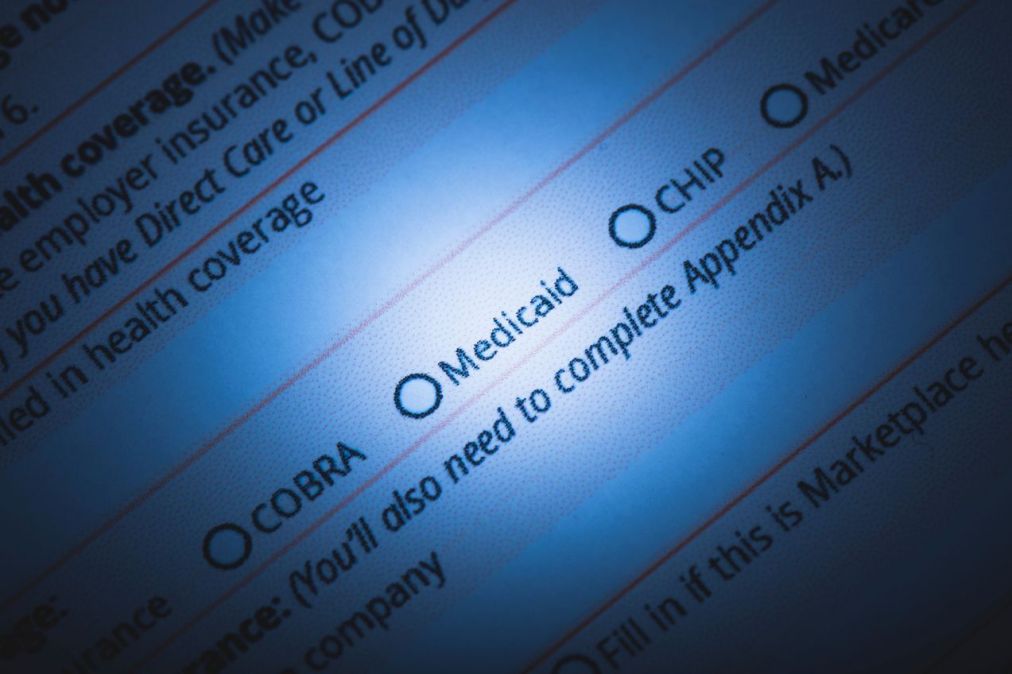
Maryland is partnering with civic technology organizations Code for America, Civilla and Public Policy Lab to overhaul parts of its Medicaid systems and workflows as states prepare for new eligibility requirements under H.R.1.
The partnership, announced Tuesday, will focus on redesigning member notices, simplifying applications and mapping caseworker processes to identify repetitive tasks that could be automated or streamlined. Civilla will redesign Maryland’s mobile application, while Public Policy Lab will work on clearer language in Medicaid notices.
Rebecca Piazza, executive director of safety net strategy at Code for America, said the goal is to make Medicaid easier for recipients to navigate and caseworkers to manage, even as the underlying rules become more complicated.
“We of course want to prevent backlogs and a slowdown in processing, but we also want to give caseworkers more time on the cases that really require their judgment and spend less time on busy work,” Piazza said in an interview. “On the client side, we’re looking to redesign confusing notices so that people understand what they need to do and when.”
Beginning in January, many Medicaid adults will have to document at least 80 hours per month of work, school, volunteering or other qualifying “community engagement” activities to maintain coverage. States will also have to conduct eligibility redeterminations twice a year, increasing the workload for agencies and the amount of paperwork beneficiaries must complete.
Piazza said the additional paperwork could prove as challenging as the new requirements themselves. Maryland has about 1.47 million Medicaid recipients, according to the state’s Department of Health, with roughly 320,000 expected to be affected by the new eligibility requirements.
“Plenty of people who are eligible and are working, but they may lose their coverage because they miss a notice or they don’t understand they need to document their hours,” Piazza told StateScoop. “That’s the problem that we are really trying to get ahead of with Maryland.”
Piazza added that the project will test potential technology interventions with caseworkers and measure whether they actually reduce administrative work and help eligible people keep coverage.
“Once we identify the challenges, we’ll work with the caseworkers, work with Maryland to identify potential interventions, and then look to test and iterate to make sure that we’re really solving the right problems and getting the outcomes that we want,” she explained.
The effort comes as states race to update aging eligibility systems ahead of the January deadline.
The Congressional Budget Office estimates that millions of people across the country could lose coverage, not because they fail to meet requirements, but because they struggle to navigate reporting systems or encounter administrative barriers.
An April report by the Center on Budget and Policy Priorities, a Washington think tank, found that federal policy may be arriving faster than state systems can handle. Without more time and clearer federal guidance, the report argues, states risk deploying aging or overburdened systems that are not fully ready.
To address increased renewal volumes and complex new verification requirements, some states are relying on existing systems rather than deploying new technologies. Neither Arizona nor Minnesota, two states with high rates of Medicaid enrollment, for instance, are planning to use new IT tools to support operations. Instead, they’re optimizing their existing infrastructure.
Other states are pushing to modernize the digital backbones that support Medicaid eligibility, such as “ex parte” systems, which automatically renew coverage using data like tax records or wage databases. These systems are designed to reduce paperwork and administrative burden by verifying eligibility behind the scenes.
But some observers have said that scaling them up to meet new federal requirements is no small task.
“What’s conceptually easiest is just build something new and layer it on top, but it comes with a lot of liabilities from a worker and system perspective,” Danny Mintz, director of safety net policy at Code for America, told StateScoop in March.
Though Maryland’s approach is proactive because it’s trying to address potential administrative problems in the state’s Medicaid system before the new rules take effect, rather than simply racing to implement them, Piazza said she doesn’t fault the states that cannot take preventative measures.
“States are really busy just trying to implement the new rules, it’s going to be a race for many of them even to get the new rules in place in January,” Piazza acknowledged. “This isn’t unique to Maryland, all states are going to face this.”