NSF announces $100M grant program for state, regional AI infrastructure hubs
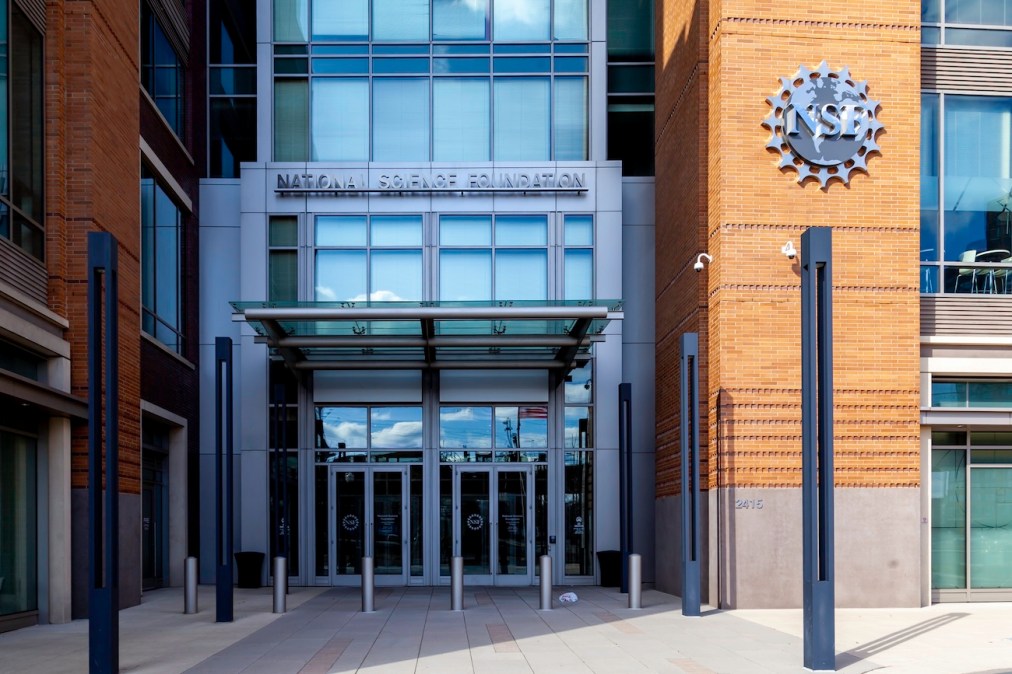
The National Science Foundation on Tuesday announced a $100 million program for the development of state and regional artificial intelligence hubs, which the agency said will provide funding for research, education and workforce development in AI.
The NSF State and Regional Artificial Intelligence Infrastructure Hubs program will help establish flexible state and multi-state regional partnerships that may include research institutions, philanthropic organizations, state and local governments and the private sector. These hubs will build and operate cutting-edge scientific technologies for researchers, students and educators in the area, and expand access to the infrastructure, data and other AI resources for frontier sciences.
The agency said in a news release that it plans to play a “catalytic role” role in the program through the capital investment, aiding in coordination, AI infrastructure workforce development, science faculty training and curriculum development to put “compute resources” to work for scientific discovery.
The program follows a 122-page Trump administration report published last month titled “Science: A New Golden Age,” which lays a policy foundation for renewing America’s research and development enterprise. The White House Office of Science and Technology Policy Director Michael Kratsios called the report a roadmap for the president’s science and tech priorities last month.
Through the initial $100 million in funding, NSF will support up to 10 AI infrastructure hubs; only one award will be made per state or region. In addition to combining resources across states and institutions, each hub will also need to partner with a regional industry to align the investments with science workforce development and local job market needs.
“American scientists deserve the world’s best tools to enable their most ambitious work,” Kratsios, said in a news release. “In Science: A New Golden Age, we called for expanding access to world-class R&D infrastructure, including advanced compute, to reflect how science is conducted today. These hubs deliver on that commitment in the most practical way possible. Regional partners who share in the benefits of discovery will pool their resources to unlock compute at a scale that no individual stakeholder, and no federal program, could achieve alone.”