Federal agencies are increasingly seeking access to state-held eligibility and recipient data. Some say its deterring eligible recipients from applying for benefits.
Data-privacy experts said on a recent panel that while state privacy laws regulate what data brokers can collect and sell, those laws often do not extend to the problematic conclusions…
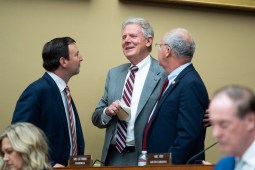
From left, Rep. Craig Goldman, R-Texas, full committee ranking member Rep. Frank Pallone, D-N.J., and full committee Chairman Brett Guthrie, R-Ky., attend the House Energy and Commerce Subcommittee on Commerce, Manufacturing, and Trade hearing titled “Examining Legislation to Establish a Federal Comprehensive Privacy and Data Security Law,” in Rayburn building on Wednesday, June 3, 2026. (Tom Williams/CQ Roll Call)
Gov. Ned Lamont waves to house members as he walks through the House of Representatives during the final day of the session on Wednesday, May 6, 2026, in Hartford. (Jim Michaud/Connecticut Post via Getty Images)
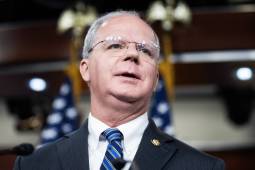
Rep. Brett Guthrie, R-Ky., speaks during a news conference with House Republican leadership in the Capitol Visitor Center on Tuesday, November 18, 2025. (Tom Williams / CQ-Roll Call, Inc via Getty Images)
Numerous privacy analysts who've read the SECURE Data Act said that in addition to preempting years of state policy work, it would omit crucial protections for consumers.
As the federal government continues to seek more of the personal data held by state governments, three in four Americans report wanting stronger oversight.
Under a new agreement, the USDA has accepted Kansas’ data protection conditions. In exchange, the state will share SNAP recipient data from the past five years.
Martha Wewer, North Carolina's chief privacy officer, said the stakes of data classification are only growing as AI becomes more integrated in government.