The joint report from NASCIO and GDIT highlights unreliable funding sources, fewer resources in smaller jurisdictions and the increased risks in connecting critical infrastructure systems to the…
A ransomware attack last month forced operators of a water treatment facility in Minot, North Dakota, to revert to manual processes while a back-up server could be…
Drinking water and wastewater treatment facilities will be subject to a host of new cybersecurity regulations that state leaders are calling "first-in-nation."
Groups representing state and local governments are pleading congressional leaders to restore funding to the Multi-State Information Sharing and Analysis Center.
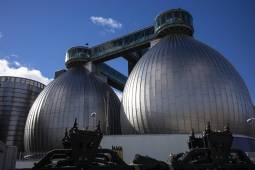
The exterior of the Newtown Creek Wastewater Treatment Plant is seen in the Greenpoint neighborhood of Brooklyn, New York, January 5, 2020. The plant treats wastewater from more than 1 million people and is the largest of 14 wastewater facilities in New York City. (Robert Nickelsberg / Getty Images)
Gov. Laura Kelly arrives to address the crowd during her watch party at the Ramada Hotel Downtown Topeka on November 8, 2022 in Topeka, Kansas. (Michael B. Thomas / Getty Images)
State and local cybersecurity personnel are the backbone of protecting critical infrastructure in the U.S., deserving of more support, one expert said.