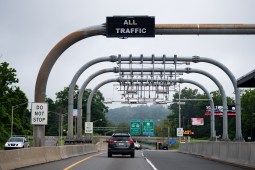
All Traffic lane at a highway toll plaza in Pennsylvania, United States, on August 8, 2026. The lane allows vehicles to pass through the toll collection area for electronic payment using E-ZPass or Toll By Plate. (Photo by Marcin Golba/NurPhoto via Getty Images)
A new law creates an exception to Pennsylvania’s tolling data privacy rules, allowing law enforcement to access vehicle movement data during missing-persons investigations.
Sekou McCoy, 10, stands with his father, Ryan McCoy, at their home in Chino, Calif., on Feb. 19, 2018. (Jenna Schoenefeld for The Washington Post via Getty Images)
The new federal dashboard will track foster home availability, placement stability and other child welfare measures as all 50 states participate in a national initiative.
To build effective public-sector technology teams, one tech expert says incoming leaders must improve hiring practices and invest in engineering, data and product expertise needed to strengthen…
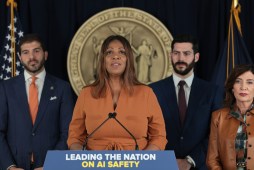
NEW YORK, NEW YORK – SEPTEMBER 21: New York State Attorney General Letitia James speaks during a press conference regarding legislation on artificial intelligence on September 21, 2026 in New York City. Gov. Kathy Hochul (R) was joined by James, Assemblymember Alex Bores (2nd R), and State Senator Andrew Gounardes (L) to speak about the next step of implementation of the Responsible AI Safety and Education (RAISE) Act, which implements guardrails and establishes safety, transparency, and reporting mandates for AI companies. (Photo by Michael M. Santiago/Getty Images)
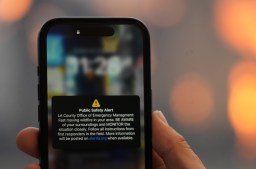
ALTADENA, CALIFORNIA – JANUARY 08: Dylan Stewart of Riverside, Calif. holds a phone with a Los Angeles County Emergency management public safety alert message during the Eaton Fireon January 8, 2025 in the Altadena section of Pasadena, California. (Photo by Kirby Lee/Getty Images)
The law could help people receive emergency alerts when cell networks fail, but experts say better technology alone won’t fix gaps in how warnings are sent.
The state’s new hotline aims to help older adults identify and report suspected Medicare fraud as federal and state officials step up efforts to combat health care…
Education data providers, like the National Student Clearinghouse and third-party vendors, are developing ways to connect enrollment records with state eligibility systems, though privacy agreements and existing…