Alabama governor unveils statewide flood alert system
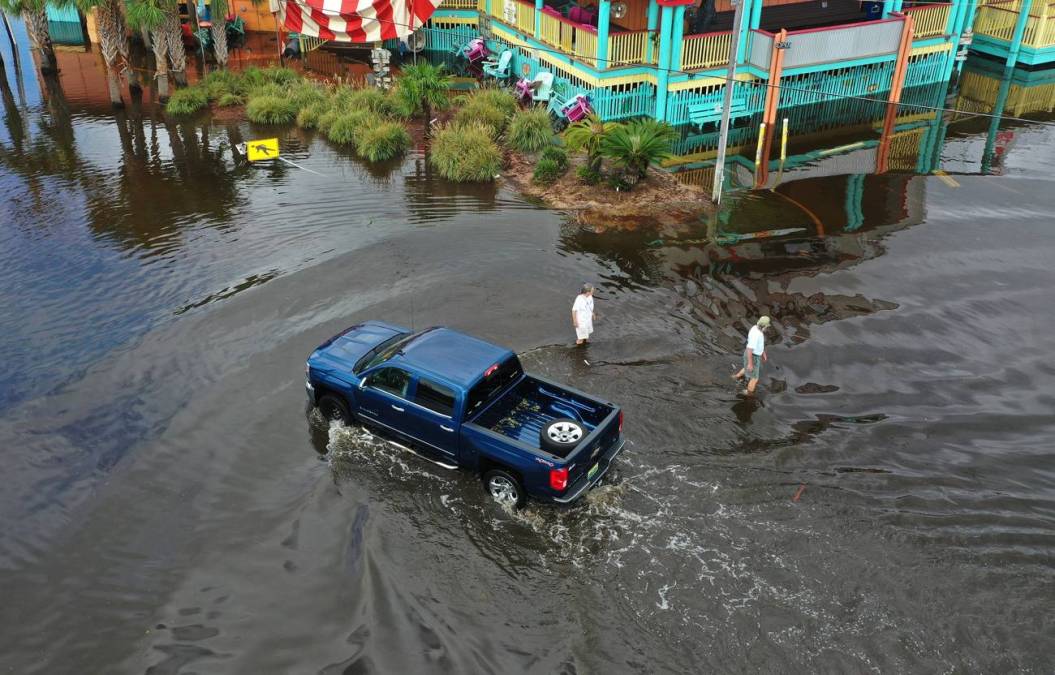
During her ninth and final State of the State address, Alabama Gov. Kay Ivey on Tuesday announced the launch a statewide flood notification system designed to alert people quickly when flood dangers arise.
The system, funded initially with about $1.2 million, will be managed by the Alabama Emergency Management Agency and the Alabama Law Enforcement Agency. Ivey said it’s expected to operate in each of the state’s 67 counties by the summer.
“Alabama is no stranger to natural disasters,” Ivey said during her address. “Protecting the safety of all Alabamians, especially our children, is our top priority, and this statewide flood notification system will ensure families receive timely alerts to prepare and stay safe. By launching this notification system now, we are getting ahead of Alabama’s camps serving children this summer.”
Ivey said the new system will enhance the state’s emergency alerting by focusing on floods, which are a growing threat as heavy rain events become more common. She urged the state legislature to fund the program for the long term.
The system works by tapping into real-time weather data, stream gauges and national alerts to automatically send warnings through text messages, email and mobile apps. When river levels quickly rise, creeks overflow or rainfall reaches hazardous levels, the network is designed to deliver notifications to affected areas.
Alabama’s initiative comes roughly six months after devastating floods in Texas last summer that left dozens of people dead, including Alabama resident Sarah Marsh, one of the 27 young campers who died at Camp Mystic.
Jill Marsh, Sarah’s mother, issued a statement to local news outlets Wednesday in support of the new effort.
“We appreciate governor Ivey’s shared commitment to camp safety and her efforts to improve notification systems surrounding natural disasters so that no other families have to endure what we have,” Marsh said.
An annual analysis published this week by the National Oceanic and Atmospheric Administration, shows that the National Weather Services issued 1,434 flash flood warnings last July — “the second-highest July total in 40 years,” according to a report summary. The report also notes that several historic precipitation events “overwhelmed infrastructure, producing 1-in-1,000-year rainfall recurrence intervals in parts of Kentucky, Tennessee, North Carolina and Texas.”
Dozens of states use modern technologies to alert the public to flood risks, improve disaster preparedness and public safety. Colorado, North Carolina, Maryland and many others use real-time monitoring and sensor networks to forecast flooding and warn travelers about flooded roads and bridges before conditions become hazardous.
Nationwide systems, such as one called WaterAlert, use Geological Survey data to provide customized notifications to people when nearby rivers and streams change levels.