

- Priorities Podcast
Is ‘privilege debt’ creating cyber risk in your organization?
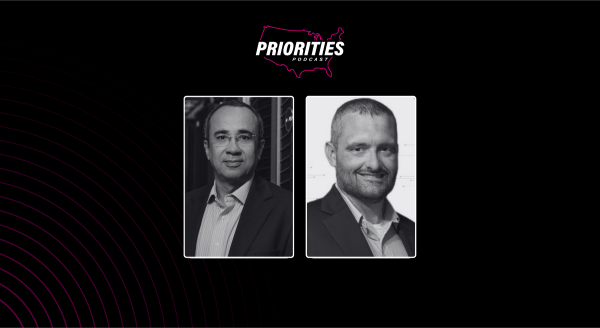
Things like identity management and threat intelligence are important for cybersecurity, said Kevin Greene, the public sector chief cybersecurity technologist with the software firm BeyondTrust, but limiting access is the key. The fast pace of change in technology has led organizations to become “very reactive,” he said, when instead they’d be served better by getting “ahead of the attack lifecycle.” This, Greene said, is done by repairing the “structural conditions” in organizations’ IT environments. “We know that privilege is the fuel that drives the success of these campaigns with threat actors,” he said.
Top stories this week:
One year after deadly floods in Texas Hill Country, many regions are updating their warning systems, but adoption still remains uneven. Twenty-nine counties have signed agreements with the state, but in the state’s more than 200 remaining counties, many communities still lack warning sirens, largely due to cost.
Ralph Johnson, who has spent the last three-and-a-half years as Washington state’s chief information security officer, announced in a LinkedIn post on Friday that he’ll step down from his role in September. “Cybersecurity has never been just a job for me,” Johnson wrote. “It has been a mission, a responsibility, and a professional community that I care deeply about.”
Illinois Gov. JB Pritzker this week signed a bill into law that adds a new layer of oversight for developers of advanced AI systems operating in the state. The Artificial Intelligence Safety Measures Act requires large AI developers to publicly disclose their safety and security practices, report significant AI safety incidents and maintain internal compliance programs.
New episodes of StateScoop’s Priorities Podcast are posted each Wednesday. For more of the latest news and trends across the state and local government technology community, subscribe to the Priorities Podcast on Apple Podcasts, Soundcloud or Spotify.
Water utility cyberattacks product of expedient decisions, IT staff shortages, experts say

AI-charged cyber threats are especially tough for small organizations